

 Grains & Pulses
 Organic Produce
 Spices & Condiments
 Fresh Herbs

 Fresh Fruits
 Fresh Vegetables
 Exotic Produce
 Seasonal Specials

 Groundnut Seeds
 Mustard Seeds
 Sesame Seeds
 Sunflower Seeds

 Fresh Fish
 Frozen Fish
 Crab & Lobster
 Prawns & Shrimps

 Bath & Body
 Skincare
 Haircare
 Oral Care

 Flavored Honey
 Honey Syrups
 Organic Honey
 Raw Honey

 Cornflakes
 Millet Mixes
 Oats & Muesli
 Granola

 Mini Tractors
 Harvesting Tools
 Power Tillers
 Sprayers & Pumps

 Chemical Fertilizers
 Pesticides
 Organic Fertilizers
 Herbicides

 Farm Tools
 Irrigation Equipment
 Threshers

 Packaging Machines
 Cold Storage Units
 Food Processing Machines
 Grinding & Milling Machines

 Baby Food
 Baby Skincare
 Diapers & Wipes
 Toys & Accessories

 Cattle Feed
 Fish Feed
 Pet Food
 Poultry Feed

 Frozen Chicken
 Ham & Bacon
 Meat Snacks
 Sausages

 Bakery Products
 Beverages (Juices, Soft Drinks)
 Packaged Snacks
 Ready-to-Eat Foods

 Biofuels
 Energy Storage Batteries
 Solar Panels
 Wind Energy Equipment


Australia Imports from India: 8 Key Products & Trends

India is an important trading partner for Australia, supplying a diverse range of goods that support Australian consumers, retailers and businesses. The growth of bilateral trade has created opportunities for Australian importers seeking competitive products and new suppliers.
Australia Imports from India: Top Products, Trade Opportunities and Market Trends
Introduction
Australia imports from India a wide range of products that support its retail, manufacturing, healthcare, construction, food and industrial sectors. India has developed into an important international sourcing destination because of its large manufacturing base, skilled workforce, diverse product range and competitive production capabilities. Australian businesses can explore Indian suppliers for textiles, clothing, pharmaceutical products, machinery, chemicals, electrical equipment, automotive components, agricultural products and many other manufactured goods.
The growing commercial relationship between Australia and India has created new opportunities for importers, distributors, wholesalers and manufacturers. Businesses looking to diversify their supply chains are increasingly interested in finding reliable international suppliers who can deliver consistent quality, competitive pricing and dependable service.
Australia imports from India through different commercial channels, including direct manufacturer relationships, wholesale purchasing, distributor agreements and international trading companies. However, successful importing requires more than finding a supplier with an attractive price. Buyers must also understand Australian customs requirements, product standards, shipping arrangements, import duties and documentation.
The Australia–India Economic Cooperation and Trade Agreement (ECTA) has further strengthened commercial opportunities between the two countries by improving market access and reducing eligible customs duties.
This guide explores the major products imported from India, important trade developments, sourcing opportunities, import procedures and practical considerations that Australian businesses should understand before entering the Indian market.
Australia–India Trade Relationship and Market Overview
India and Australia share a growing economic relationship supported by international trade, investment, education, technology and business cooperation. Both countries have complementary industries, creating opportunities for businesses seeking new suppliers, products and markets.
According to Australia’s Department of Foreign Affairs and Trade (DFAT), two-way trade in goods and services between Australia and India reached approximately AUD $50.2 billion in 2025. Australia also reported that goods imports from India, excluding refined petroleum, increased by 31% between 2022 and 2025.
The growth of this relationship demonstrates the importance of India as a sourcing destination for Australian companies. Businesses can explore different manufacturing industries instead of relying on a limited number of international supply markets.
Several factors support this commercial relationship:
- A wide variety of manufacturing industries in India.
- Competitive production costs across multiple product categories.
- Access to established textile and pharmaceutical manufacturing sectors.
- Improving trade conditions through ECTA.
- Growing demand for international products in Australia.
- Opportunities for long-term supplier and distributor partnerships.
- Increased interest in supply-chain diversification.
For Australian businesses, understanding these developments can help identify suitable products and assess whether importing from India is commercially worthwhile.
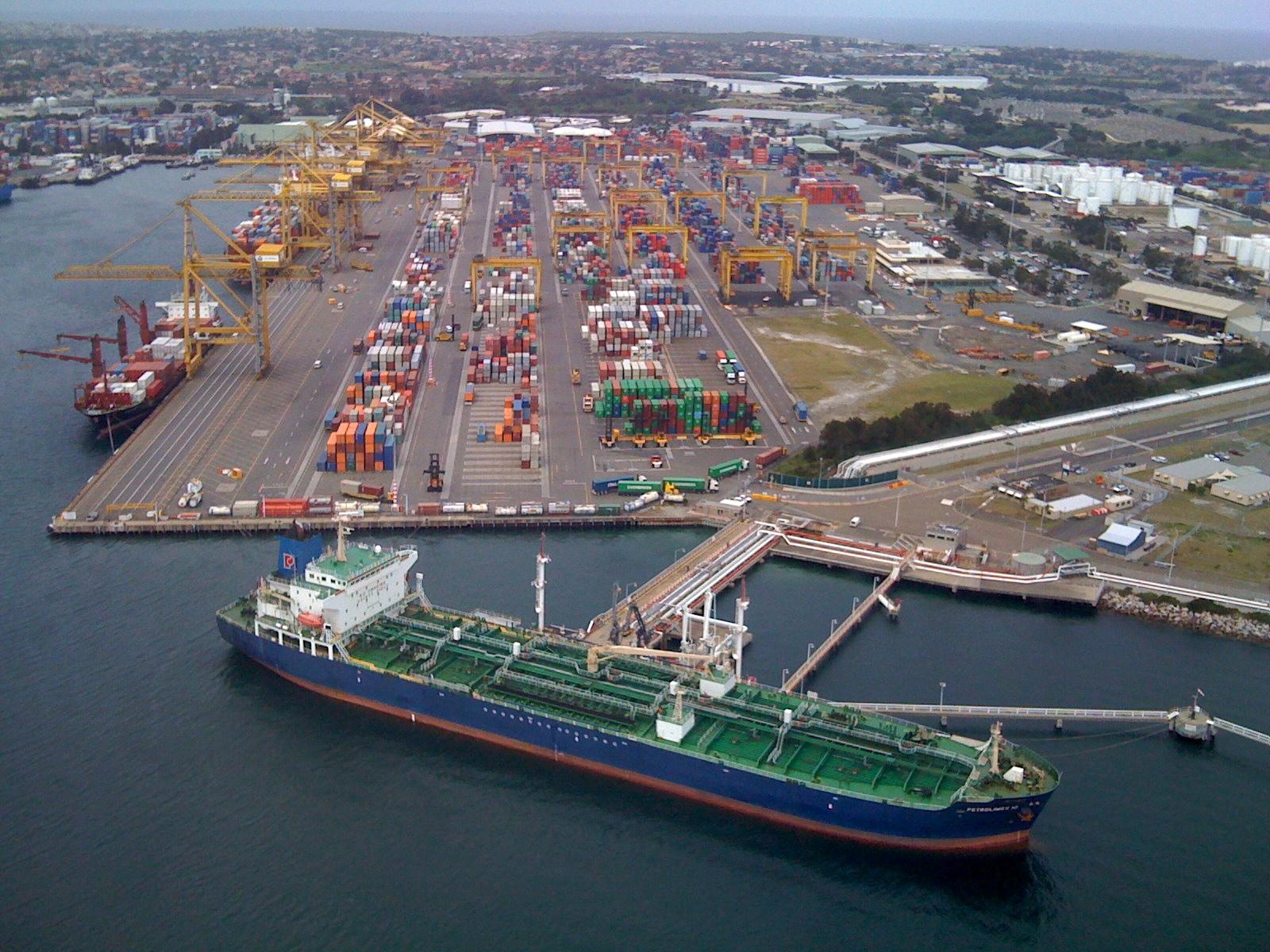
Top Products Australia Imports from India
Australia imports from India across several major product categories. The exact value and ranking of individual products can change depending on international demand, market conditions, manufacturing capacity and annual trade figures.
The following categories represent important sourcing areas for Australian businesses.
1. Textiles, Clothing and Apparel
Textiles and clothing are among the established export industries in India. Indian manufacturers produce a wide range of garments, fabrics and textile products for international buyers.
Australian retailers, fashion businesses, clothing wholesalers and distributors may source products such as:
- Cotton shirts and T-shirts.
- Men’s and women’s clothing.
- Workwear and uniforms.
- Denim products and casual wear.
- Cotton fabrics and knitted materials.
- Towels and bath linen.
- Bed sheets and pillowcases.
- Curtains and home textile products.
- Fashion accessories.
India offers manufacturing capabilities across different order sizes, materials and production requirements. This allows Australian businesses to compare manufacturers according to their preferred quality standards, designs and budget.
Before ordering clothing products, importers should request fabric specifications, size charts, product samples and quality information. They should also confirm stitching standards, colour consistency, packaging requirements and production timelines.
For retailers planning to develop their own clothing brands, working directly with an experienced Indian manufacturer can provide opportunities for custom designs, private labelling and repeat production.
2. Pharmaceutical and Healthcare Products
India has an established pharmaceutical manufacturing industry and supplies pharmaceutical products to international markets.
This category can include generic medicines, pharmaceutical ingredients, medical consumables and certain healthcare-related products.
Australian healthcare businesses may investigate potential sourcing arrangements for pharmaceutical and medical products. However, these products require particular attention to regulatory compliance.
Importing medicines into Australia is not the same as importing ordinary consumer products. Therapeutic goods generally need to satisfy Australian regulatory requirements, including applicable registration and sponsorship obligations through the Therapeutic Goods Administration (TGA).
Importers should verify the product’s legal status, manufacturer credentials, documentation, quality controls and applicable approvals before placing an order.
Businesses should never assume that a product approved for sale in another country can automatically be imported or supplied commercially in Australia.
3. Machinery and Industrial Equipment
Machinery and industrial equipment are important categories for businesses involved in manufacturing, construction, agriculture and industrial operations.
Indian suppliers manufacture different types of equipment and machinery components that may be suitable for Australian commercial applications.
Potential products include:
- Industrial processing machinery.
- Agricultural equipment.
- Manufacturing components.
- Pumps and mechanical equipment.
- Engineering tools.
- Industrial spare parts.
- Production equipment.
- Mechanical components.
Australian buyers should examine technical specifications, operating requirements and manufacturing quality before selecting a supplier.
It is also important to confirm whether the machinery meets relevant Australian safety and technical requirements. Importers should request product manuals, warranties, maintenance information and spare-parts details.
Businesses purchasing machinery should also consider installation, technical support and after-sales service. A lower purchase price may not represent better value if equipment requires expensive repairs or specialist maintenance.
4. Electrical and Electronic Equipment
Electrical and electronic products represent another potential sourcing category for Australian importers.
India produces different electrical goods, components and equipment for commercial, industrial and consumer applications.
Products may include electrical accessories, selected electronic components, cables, lighting products, control equipment and other electrical items.
However, Australian importers must check applicable product safety and electrical compliance requirements before importing these goods.
Voltage compatibility, electrical ratings, product testing, labelling, certification and safety documentation are important purchasing considerations.
Businesses should request complete technical information from manufacturers and verify that the products are appropriate for the Australian market.
Importers who work with electrical suppliers should also consider warranty arrangements, replacement parts and technical assistance.
5. Chemicals and Industrial Materials
India has a diverse chemical manufacturing industry supplying materials to agriculture, textiles, pharmaceuticals, construction and other manufacturing sectors.
Australian industrial buyers may explore products such as:
- Organic chemicals.
- Specialty chemicals.
- Industrial compounds.
- Dyes and pigments.
- Chemical intermediates.
- Selected agricultural chemicals.
- Industrial raw materials.
The exact regulatory requirements depend on the chemical composition, intended use, hazard classification and import conditions.
Before purchasing industrial chemicals, importers should request safety data sheets, technical data sheets, composition details and relevant transport classifications.
They should also confirm whether the products require special permits, handling arrangements, storage conditions or dangerous goods documentation.
A reliable supplier should be able to provide accurate product specifications and information about manufacturing and quality-control procedures.
6. Automotive Parts and Engineering Components
Automotive parts and engineering products offer additional opportunities for Australian wholesalers, vehicle service businesses and industrial distributors.
India has manufacturing capabilities in different automotive and engineering product segments.
Possible products include:
- Automotive spare parts.
- Engine components.
- Vehicle accessories.
- Mechanical fittings.
- Metal components.
- Engineering products.
- Replacement parts.
- Selected vehicle electrical components.
Australian importers should verify product compatibility, dimensions, material quality and performance requirements.
For automotive components, buyers should confirm the exact vehicle models and applications that the products support. Incorrect specifications can create installation problems, customer complaints and unnecessary returns.
Supplier testing records, product warranties and quality inspection arrangements can help reduce purchasing risks.
7. Agricultural and Food Products
India produces a wide variety of agricultural and food products, including spices, grains, processed foods and other food-related commodities.
Potential sourcing categories include:
- Spices and seasoning products.
- Tea and selected agricultural goods.
- Rice and grain products.
- Processed food items.
- Packaged food products.
- Selected pulses and ingredients.
- Food-processing materials.
These products may interest Australian grocery wholesalers, ethnic food retailers, hospitality suppliers and food distributors.
However, Australia has strict biosecurity and food safety requirements. The fact that a product is commercially available in India does not automatically mean it can be imported into Australia.
Importers must check the relevant BICON conditions, food safety requirements, labelling rules and any applicable permits or certificates before arranging shipment.
Suppliers should also provide product specifications, ingredients information, packaging details and relevant testing documents.
8. Furniture, Homeware, Leather and Handcrafted Products
India also has established manufacturing and export businesses in furniture, leather products, homeware and handcrafted goods.
Australian retailers and wholesalers may investigate sourcing options for:
- Wooden furniture.
- Decorative home accessories.
- Leather bags and wallets.
- Travel accessories.
- Carpets and rugs.
- Handcrafted products.
- Metal homeware.
- Selected household goods.
These products can be suitable for businesses looking to expand their retail collections or introduce distinctive product designs.
Importers should check material quality, dimensions, finishing, packaging and shipping arrangements. Wooden products and certain plant-based materials may also require additional biosecurity checks.
Product samples and pre-shipment inspections can help Australian buyers confirm that goods meet their expectations.
How ECTA Supports Australia Imports from India
The Australia–India Economic Cooperation and Trade Agreement, commonly known as ECTA, is an important development in the bilateral trade relationship.
ECTA entered into force on 29 December 2022. It was established to improve trade conditions, strengthen economic cooperation and create additional opportunities for businesses in both countries.
One of its important benefits is preferential market access for eligible goods.
Under the agreement, Australian tariff reductions were introduced through different staging arrangements. Certain tariffs were eliminated immediately, while products in the B5 category completed their five-year reduction process and became duty-free from 1 January 2026.
The agreement also includes rules of origin. These rules determine whether a product qualifies as originating from India and can receive preferential tariff treatment.
Australian importers should understand that ECTA benefits are not simply based on the supplier’s location. A product must satisfy the applicable origin requirements, tariff classification and documentation conditions.
A Certificate of Origin may be required to support a preferential tariff claim.
Since the agreement began, Australian businesses have saved more than AUD $504 million in duties on eligible goods imported from India, according to DFAT.
These developments can improve the commercial attractiveness of eligible Indian products. However, importers should check the current Australian tariff schedule for each product before calculating expected savings.
How to Find Reliable Indian Suppliers
Finding a suitable supplier is one of the most important steps when planning to import products into Australia.
India has thousands of manufacturers, exporters, wholesalers and trading companies. However, not every supplier will be suitable for every business.
Australian importers should follow a structured supplier evaluation process.
1. Identify the Required Product
Start by defining the exact product you want to purchase. Prepare a description that includes specifications, materials, dimensions, quality expectations and intended use.
Clear product requirements make it easier to compare supplier quotations.
2. Research Manufacturers and Exporters
Search for companies that specialise in your selected product category. Review their business history, export experience, manufacturing facilities and product range.
Business directories, trade exhibitions, industry associations and professional sourcing networks can help identify potential suppliers.
3. Verify Supplier Credentials
Before placing an order, confirm the supplier’s business identity, registration details, contact information and export experience.
Request relevant business documents and ask for references from previous international customers where appropriate.
4. Request Samples and Quotations
Product samples allow buyers to evaluate quality before committing to a large purchase.
Ask suppliers to provide detailed quotations showing product prices, minimum order quantities, production timelines, packaging and payment conditions.
5. Compare Total Purchasing Costs
A low factory price does not always produce the lowest overall import cost.
Compare manufacturing prices, transport expenses, insurance, customs duties, GST, inspection fees and local delivery costs.
6. Arrange Quality Inspections
For larger orders, independent inspections can help verify product quality, quantity, packaging and specifications before shipment.
7. Establish Long-Term Communication
Clear communication is essential for international business relationships. Agree on delivery schedules, quality standards, payment arrangements and procedures for handling defective products.
A reliable supplier should provide accurate information and respond professionally throughout the purchasing process.
Import Documentation and Australian Compliance Requirements
Proper documentation is essential when organising Australia imports from India.
Incorrect paperwork can lead to customs delays, additional costs, inspections or problems with goods clearance.
Depending on the products and shipment, importers may need the following documents:
Commercial Invoice: This document identifies the seller, buyer, goods, quantities, unit prices and total transaction value.
Packing List: A packing list explains how the products are packed, including carton quantities, package dimensions and shipment weight.
Certificate of Origin: This document identifies the country of origin and may support a preferential tariff claim under ECTA.
Bill of Lading or Air Waybill: This transport document provides shipment information and confirms the carriage arrangements.
Import Permits: Certain products require specific approvals or permits before they can enter Australia.
Product Certificates: Depending on the product, relevant quality, safety, testing or regulatory certificates may be required.
Australian importers should also check the following requirements:
- Correct tariff classification and customs valuation.
- Applicable customs duties and concessions.
- GST and other relevant taxes.
- Product safety and labelling requirements.
- Australian biosecurity conditions.
- Food safety requirements for applicable products.
- Therapeutic goods regulations where relevant.
The Australian Border Force provides guidance on customs declarations, tariff classification and importing procedures. The Department of Agriculture, Fisheries and Forestry provides BICON, which allows businesses to check biosecurity import conditions.
Importers should confirm all relevant requirements before the supplier dispatches the goods.
Shipping and Logistics for India–Australia Imports
International shipping is another major consideration when planning imports.
Australian businesses can generally explore sea freight or air freight depending on shipment size, urgency, product type and budget.
Sea Freight
Sea freight is commonly suitable for larger shipments, bulk purchases and containerised cargo.
It can be a practical option for businesses importing furniture, textiles, machinery, industrial materials and other products in significant quantities.
Importers should compare full-container load (FCL) and less-than-container load (LCL) options according to the size of their shipment.
Transit time, port charges, cargo handling, customs clearance and final delivery should all be included in the shipping plan.
Air Freight
Air freight may be suitable for smaller shipments, samples, urgent orders and high-value products.
Although it can provide faster transportation, the cost is generally higher than sea freight.
Businesses should evaluate the commercial value of faster delivery before selecting air transportation.
Cargo Insurance
International shipments may face risks such as damage, loss, handling incidents and unexpected transportation delays.
Cargo insurance can provide financial protection against covered risks during transportation.
Importers should review policy coverage, exclusions and claim procedures before arranging insurance.
Good logistics planning helps businesses control costs and maintain more predictable supply chains.
Common Challenges When Importing from India
Although Australia imports from India through many established business channels, international sourcing can involve several challenges.
Supplier Verification
Some businesses may find it difficult to assess overseas suppliers without visiting manufacturing facilities.
To reduce risks, importers should verify business credentials, request samples and consider independent inspections.
Product Quality Differences
Products may not always match the quality shown in samples or marketing materials.
Written specifications, approved samples and inspection procedures help establish clear expectations.
Shipping Delays
Port congestion, seasonal demand, transportation disruptions and documentation problems can affect delivery schedules.
Importers should maintain reasonable delivery buffers and communicate regularly with suppliers and freight partners.
Regulatory Compliance
Australian regulations can differ significantly from requirements in India.
Importers must check applicable rules before purchasing regulated goods, particularly food, chemicals, medicines and electrical products.
Currency and Payment Risks
Exchange-rate movements and international payment arrangements can affect the total cost of an order.
Businesses should agree on payment terms and monitor currency exposure when preparing larger purchases.
Unexpected Import Expenses
Customs fees, GST, handling charges, storage and local transportation can increase the final landed cost.
A complete cost calculation before ordering helps prevent unexpected financial pressure.
Business Opportunities for Australian Importers
Australia imports from India across a wide range of industries, creating opportunities for businesses with different commercial objectives.
Retailers can explore clothing, homeware, accessories and consumer products. Industrial businesses can investigate machinery, components and manufacturing materials. Food distributors may examine permitted food categories, while wholesalers can explore products suited to specialised customer markets.
Small and medium-sized Australian businesses can also investigate importing through smaller trial orders before establishing larger supplier agreements.
A practical market-entry strategy should include product research, customer demand analysis, supplier verification and landed-cost calculations.
Businesses should avoid purchasing large quantities simply because a supplier offers a low price. Instead, they should assess potential sales, storage requirements, product competition and expected profit margins.
Building reliable supplier relationships can help importers develop a more consistent sourcing strategy over time.
Future Outlook for Australia Imports from India
The future of Australia–India trade will depend on several factors, including manufacturing growth, consumer demand, international logistics, regulatory developments and the continued implementation of ECTA.
India’s large industrial base provides opportunities across traditional manufacturing and emerging product categories.
Australian businesses may continue exploring textiles, machinery, pharmaceuticals, chemicals, electrical equipment, engineering components and selected food products from Indian suppliers.
The expansion of commercial relationships and improvements in trade arrangements can make cross-border sourcing more accessible for eligible products.
However, businesses should remain aware that international market conditions change. Product prices, freight costs, supplier capacity and regulatory requirements can vary over time.
Companies that invest in supplier verification, quality management, documentation and logistics planning will be better positioned to manage international purchasing risks.
A well-researched sourcing strategy can make importing from India a useful part of a broader Australian supply-chain plan.
Frequently Asked Questions About Australia Imports from India
1. What Are the Main Products Australia Imports from India?
Australia imports different products from India, including refined petroleum, pharmaceuticals, machinery, electrical equipment, textiles, clothing, automotive components, chemicals, iron and steel products, agricultural goods and manufactured items.
The exact product mix changes over time according to trade demand and market conditions.
2. Is Importing from India Profitable for Australian Businesses?
Importing from India can be commercially beneficial when businesses identify suitable products, negotiate competitive prices and manage their total landed costs.
Profitability depends on product demand, quality, competition, shipping expenses, applicable duties, taxes and local distribution costs.
3. Does ECTA Reduce Import Duties on Indian Products?
Yes. ECTA provides preferential tariff treatment for eligible goods that satisfy the applicable rules of origin.
Australian importers should check the relevant tariff classification, staging category and documentary requirements before claiming a preferential rate.
4. What Documents Are Required to Import from India into Australia?
Common documents include a commercial invoice, packing list, transport document and, where required, a Certificate of Origin, product certificates and import permits.
The exact requirements depend on the product and shipment.
5. Can Australian Businesses Import Food Products from India?
Australian businesses can import certain food products from India, subject to applicable biosecurity, food safety, labelling and import conditions.
Businesses should use the Australian Government’s BICON system to confirm whether a particular product is permitted and what requirements apply.
6. How Can I Find Indian Manufacturers for My Business?
Australian buyers can identify manufacturers through industry directories, trade exhibitions, business networks and verified supplier platforms.
Before placing an order, check company credentials, request samples, compare quotations and arrange appropriate quality inspections.
7. Is Sea Freight Better Than Air Freight?
It depends on shipment size, delivery urgency and product value.
Sea freight is often suitable for larger commercial shipments, while air freight may be more appropriate for urgent, smaller or high-value consignments.
8. Do Imported Products Need to Meet Australian Standards?
Certain imported products must meet Australian safety, technical, labelling and regulatory requirements.
Importers should verify the relevant requirements before purchasing or shipping products.
9. How Can Importers Calculate the Total Cost?
Importers should consider the supplier price, international freight, insurance, customs duties, GST, inspection fees, customs brokerage and local transportation.
Calculating the full landed cost helps businesses estimate their actual purchasing expenses.
10. Why Is Supplier Verification Important?
Supplier verification helps reduce the risks of poor product quality, incorrect documentation, shipment delays and financial losses.
Checking business credentials, product samples, manufacturing capabilities and references can support better purchasing decisions.
Conclusion
Australia imports from India across numerous product categories, creating opportunities for Australian retailers, wholesalers, manufacturers and distributors. Textiles, pharmaceuticals, machinery, electrical equipment, chemicals, automotive components and selected agricultural products all offer potential sourcing opportunities.
The Australia–India ECTA agreement has strengthened trade cooperation and improved preferential market access for eligible goods. However, successful importing still requires careful supplier selection, accurate documentation, regulatory compliance and effective logistics management.
Australian businesses should research their target products, verify manufacturers, compare total landed costs and understand customs requirements before placing orders.
With the right preparation and reliable international partners, India can become a valuable sourcing destination for Australian companies seeking greater product variety and supply-chain diversification.


