

 Grains & Pulses
 Organic Produce
 Spices & Condiments
 Fresh Herbs

 Fresh Fruits
 Fresh Vegetables
 Exotic Produce
 Seasonal Specials

 Groundnut Seeds
 Mustard Seeds
 Sesame Seeds
 Sunflower Seeds

 Fresh Fish
 Frozen Fish
 Crab & Lobster
 Prawns & Shrimps

 Bath & Body
 Skincare
 Haircare
 Oral Care

 Flavored Honey
 Honey Syrups
 Organic Honey
 Raw Honey

 Cornflakes
 Millet Mixes
 Oats & Muesli
 Granola

 Mini Tractors
 Harvesting Tools
 Power Tillers
 Sprayers & Pumps

 Chemical Fertilizers
 Pesticides
 Organic Fertilizers
 Herbicides

 Farm Tools
 Irrigation Equipment
 Threshers

 Packaging Machines
 Cold Storage Units
 Food Processing Machines
 Grinding & Milling Machines

 Baby Food
 Baby Skincare
 Diapers & Wipes
 Toys & Accessories

 Cattle Feed
 Fish Feed
 Pet Food
 Poultry Feed

 Frozen Chicken
 Ham & Bacon
 Meat Snacks
 Sausages

 Bakery Products
 Beverages (Juices, Soft Drinks)
 Packaged Snacks
 Ready-to-Eat Foods

 Biofuels
 Energy Storage Batteries
 Solar Panels
 Wind Energy Equipment


Australian Export Logistics: Easy Shipping & Export Guide

SEO Title: Australian Export Logistics and Shipping Guide
Meta Description: Learn about Australian Food Exports freight costs and documentation to help your Australian business prepare for international trade.
Export logistics is an important part of international trade. Australian businesses need to plan transportation, documentation and delivery arrangements to ensure products reach overseas customers efficiently. export logistics is an important part of international trade. Australian businesses need to plan transportation, documentation and delivery arrangements to ensure products reach overseas customers efficiently.
Australian export logistics plays a vital role in helping Australian businesses deliver products to international markets. From selecting the right shipping method to managing export documentation and customs procedures, an effective logistics strategy helps businesses transport goods safely, efficiently and on time.
Whether a business exports food products, agricultural goods, manufactured products or other commodities, understanding the Australian export logistics process is essential for successful international trade.
Why Is Australian Export Logistics Important?
Australian export logistics involves planning, managing and transporting goods from Australia to overseas destinations. It includes freight transportation, warehousing, packaging, documentation, customs clearance and delivery coordination.
An efficient logistics system helps businesses:
- Reduce transportation delays and unnecessary costs.
- Improve supply chain management.
- Protect products during international transportation.
- Meet shipping deadlines and customer expectations.
- Build stronger relationships with international buyers.
Choosing reliable logistics partners can make the export process easier and more predictable.
Understanding the Australian Export Process
Businesses should follow several important steps before shipping products internationally.
1. Prepare Products for Export
Before arranging transportation, businesses should ensure that products are properly packaged, labelled and prepared for international shipping.
Packaging requirements may vary depending on the product, destination country and transportation method. Perishable products may require special temperature-controlled packaging and handling.
2. Check Export Regulations
Exporters must understand Australian export regulations and the import requirements of their destination markets.
Certain products may require export permits, certificates, licences or additional inspections before shipment.
Businesses should confirm all applicable requirements before making shipping arrangements.
3. Arrange Freight Transportation
Selecting an appropriate freight service is an important part of Australian export logistics.
Businesses can work with freight forwarders, shipping companies and logistics providers to coordinate international transportation.
4. Prepare Shipping Documents
Accurate documentation helps prevent delays and supports smooth customs clearance.
Common documents may include commercial invoices, packing lists, bills of lading or air waybills, certificates of origin and applicable export permits.
The exact documents depend on the goods, destination and applicable regulations.
Choosing the Right Shipping Method
Selecting the right shipping method depends on shipment size, product type, destination, budget and delivery timeframe.
Sea Freight
Sea freight is commonly used for large shipments, bulk products and goods that do not require urgent delivery.
Benefits include:
- Suitable for large and heavy shipments.
- Often economical for bulk transportation.
- Supports international container shipping.
- Suitable for many non-urgent export shipments.
Air Freight
Air freight may be suitable for smaller, urgent or time-sensitive shipments.
Benefits include:
- Faster international transportation.
- Suitable for urgent deliveries.
- Useful for certain high-value products.
- Can support time-sensitive supply chains.
Choosing Between Sea Freight and Air Freight
Sea freight is often a practical option for large shipments, while air freight may be preferable when delivery speed is important.
Businesses should compare freight rates, delivery schedules, cargo handling requirements and destination services before choosing a provider.
Understanding Export Documentation
International shipments require accurate and complete documentation.
Common export documents include:
- Commercial Invoice: Provides information about the seller, buyer, goods and transaction value.
- Packing List: Describes the shipment contents, quantities, weights and packaging.
- Bill of Lading: Commonly used as a transport document for sea freight.
- Air Waybill: Used as a transport document for air freight.
- Certificate of Origin: Identifies the country where goods originate when required.
- Export Permits and Certificates: Required for certain regulated products and destinations.
Exporters should check the Australian Border Force requirements and destination-country regulations before shipping.
Understanding Customs Requirements
Australian exporters must comply with applicable customs procedures.
The Australian Border Force requires export declarations for certain goods, including goods valued above AUD 2,000 and goods that require an export permit, subject to applicable rules and exemptions.
Businesses should confirm whether an export declaration or an exemption applies to their shipment.
For regulated agricultural and food products, additional requirements may apply through the Australian Department of Agriculture, Fisheries and Forestry.
Working with an experienced customs broker can help businesses understand documentation and clearance procedures.
Plan Your Shipping Costs
Freight charges are only one part of the total export logistics cost.
Businesses should consider:
- International freight charges.
- Packaging and labelling expenses.
- Cargo insurance.
- Warehousing and handling fees.
- Customs brokerage and clearance charges.
- Inspection and certification costs.
- Destination port and delivery charges.
Comparing different logistics providers and requesting detailed quotations can help businesses plan their export budgets more effectively.
Benefits of Working with Freight Forwarders
Freight forwarders help coordinate international shipments and manage different stages of the transportation process.
Depending on the services provided, they may assist with:
- Selecting suitable shipping methods.
- Booking cargo space.
- Preparing transport documentation.
- Coordinating customs brokers.
- Arranging cargo insurance.
- Tracking international shipments.
- Managing communication between logistics partners.
Choosing an experienced freight forwarder can help businesses simplify complex shipping arrangements.
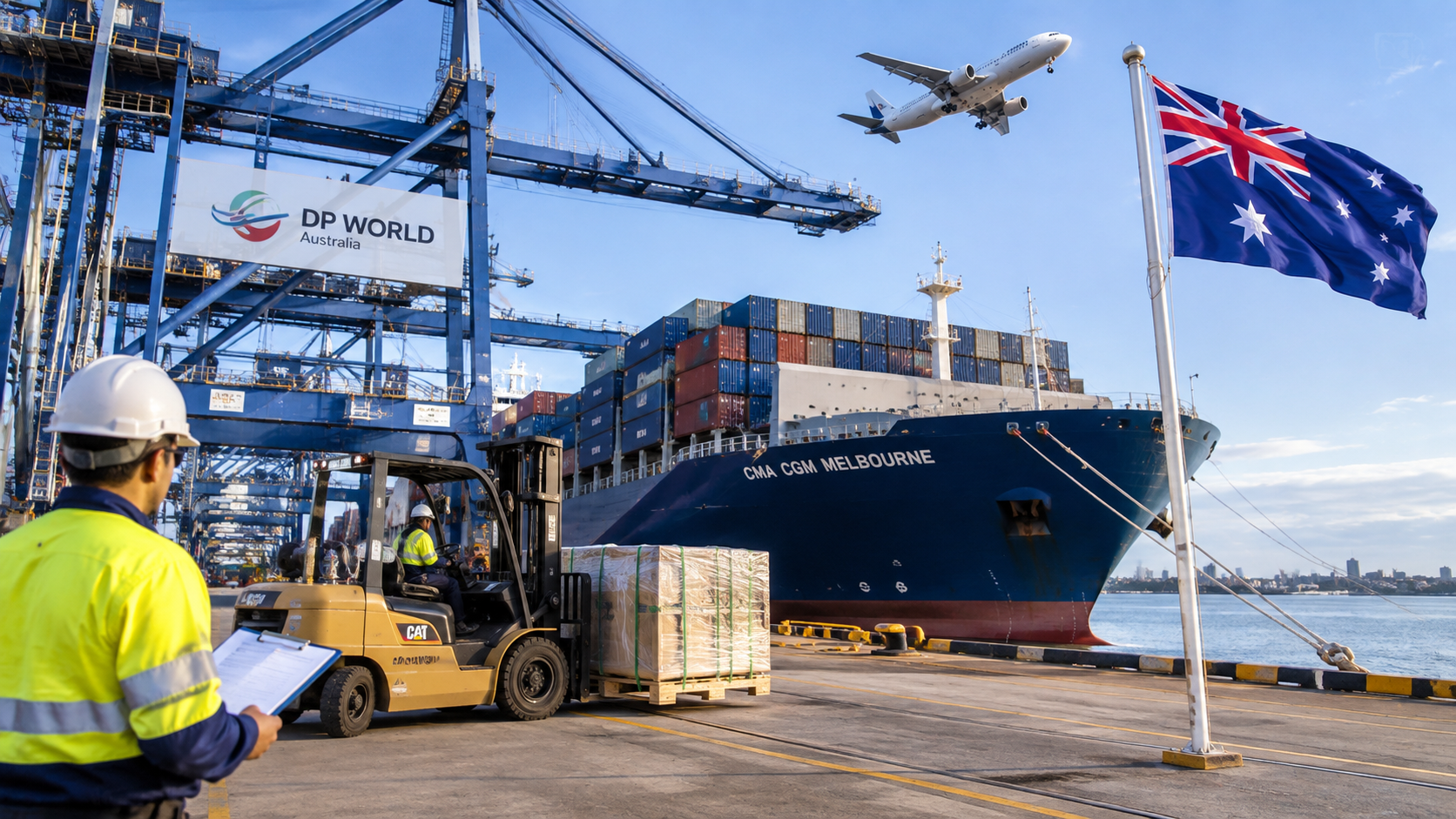
Common Australian Export Logistics Challenges
International exporters may face several challenges, including:
Shipping Delays
Weather conditions, port congestion and transportation disruptions can affect delivery schedules.
Changing Freight Costs
Freight rates and additional transportation charges may change depending on market conditions and shipment requirements.
Documentation Errors
Incorrect or incomplete documents can cause customs delays and additional costs.
Different International Regulations
Each destination market may have different product standards, import requirements and documentation procedures.
Businesses can reduce these risks through careful planning, accurate documentation and communication with reliable logistics partners.
How to Improve Export Logistics Efficiency
Australian businesses can improve their export operations by following these practical steps:
- Plan shipments and delivery schedules in advance.
- Compare freight providers and transportation options.
- Prepare accurate export documents.
- Understand destination-country import requirements.
- Use suitable packaging and cargo protection.
- Track shipments and communicate with logistics partners.
- Review transportation costs regularly.
A well-organised logistics strategy can support more reliable international trade operations.
Frequently Asked Questions About Australian Export Logistics
What Is Australian Export Logistics?
Australian export logistics refers to the planning, handling and transportation of goods from Australia to international markets. It includes freight services, export documentation, customs procedures and delivery coordination.
Which Shipping Method Is Best for Australian Exports?
Sea freight is often suitable for large and heavy shipments, while air freight may be better for smaller or urgent consignments. The best option depends on the product, budget and delivery timeframe.
What Documents Are Required to Export Goods from Australia?
Common documents include commercial invoices, packing lists and transport documents. Depending on the product and destination, additional export permits, certificates or declarations may be necessary.
Do Australian Exporters Need Customs Clearance?
Australian exporters must comply with applicable export reporting and customs requirements. Whether an export declaration is required depends on the goods and relevant exemptions.
Why Should Businesses Use a Freight Forwarder?
Freight forwarders can coordinate transportation, cargo bookings, shipping documents and communication with logistics providers. Their services can help businesses manage international shipments more efficiently.
Conclusion
Australian export logistics is an essential part of successful international trade. Businesses need to select suitable shipping methods, prepare accurate documentation, understand customs requirements and work with reliable logistics partners.
With careful planning and an efficient supply chain strategy, Australian businesses can manage international shipments more effectively, reduce avoidable delays and build stronger relationships with global buyers.
Understanding these logistics processes is an important step towards developing successful and sustainable export operations.


