

 Grains & Pulses
 Organic Produce
 Spices & Condiments
 Fresh Herbs

 Fresh Fruits
 Fresh Vegetables
 Exotic Produce
 Seasonal Specials

 Groundnut Seeds
 Mustard Seeds
 Sesame Seeds
 Sunflower Seeds

 Fresh Fish
 Frozen Fish
 Crab & Lobster
 Prawns & Shrimps

 Bath & Body
 Skincare
 Haircare
 Oral Care

 Flavored Honey
 Honey Syrups
 Organic Honey
 Raw Honey

 Cornflakes
 Millet Mixes
 Oats & Muesli
 Granola

 Mini Tractors
 Harvesting Tools
 Power Tillers
 Sprayers & Pumps

 Chemical Fertilizers
 Pesticides
 Organic Fertilizers
 Herbicides

 Farm Tools
 Irrigation Equipment
 Threshers

 Packaging Machines
 Cold Storage Units
 Food Processing Machines
 Grinding & Milling Machines

 Baby Food
 Baby Skincare
 Diapers & Wipes
 Toys & Accessories

 Cattle Feed
 Fish Feed
 Pet Food
 Poultry Feed

 Frozen Chicken
 Ham & Bacon
 Meat Snacks
 Sausages

 Bakery Products
 Beverages (Juices, Soft Drinks)
 Packaged Snacks
 Ready-to-Eat Foods

 Biofuels
 Energy Storage Batteries
 Solar Panels
 Wind Energy Equipment


Exporting From Australia: 7 Easy Steps for Beginners

Meta Description: Learn exporting from Australia with tips on products, markets, permits, documents, shipping and finding international buyers.
Exporting From Australia: A Beginner’s Guide
Starting an export business can be an exciting step for Australian entrepreneurs who want to explore opportunities beyond the local market. Exporting from Australia allows businesses to introduce their products to international customers, develop new partnerships and build a presence in global markets. However, entering the export industry requires more than having a good product. Businesses need a clear strategy, reliable suppliers, an understanding of customer expectations and the ability to manage international orders.
For beginners, the best approach is to start with a realistic business plan and develop the export operation step by step. Understanding how the industry works can help you avoid common mistakes and prepare your business for long-term success.
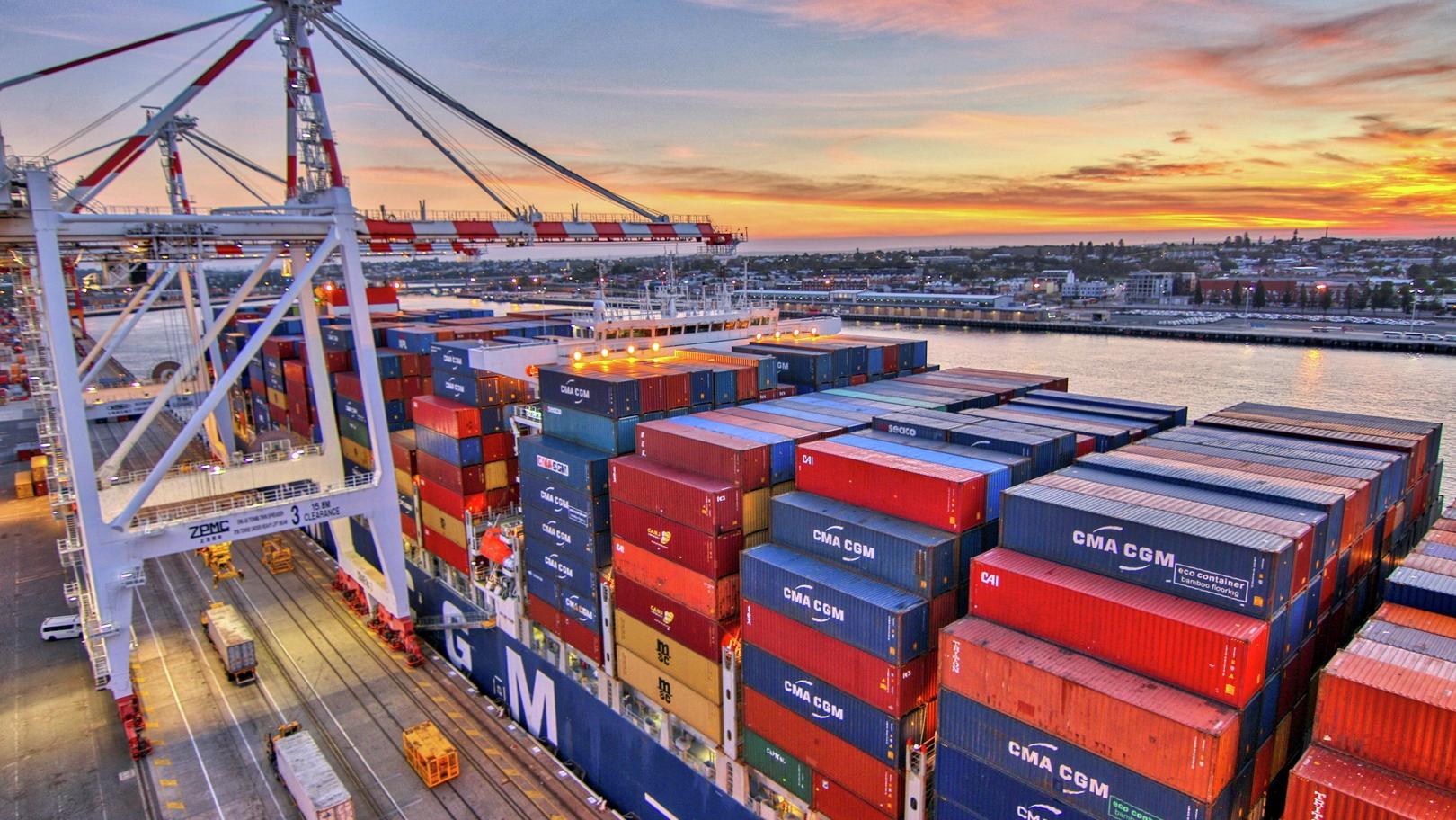
Understanding the Exporting From Australia Industry
Australia has businesses operating across many export industries, including agriculture, food production, manufacturing, technology, natural resources and consumer goods. Each industry has different opportunities, customers and trading requirements.
Before entering the market, identify the type of products your business wants to supply and understand how international customers purchase them. Some buyers prefer working directly with manufacturers, while others purchase through wholesalers, distributors or sourcing agents.
Learning how products move from Australian suppliers to overseas customers will help you understand your position in the supply chain. It will also help you decide whether to operate as a manufacturer, supplier, wholesaler or export trading business.
Develop a Clear Export Business Strategy
A successful export business starts with a well-defined strategy. Instead of trying to reach every international market, decide what your business wants to achieve and which customers you want to serve.
Your strategy should identify your product category, target customers, preferred countries, pricing approach and expected business costs. It should also explain how you will generate enquiries, communicate with buyers and fulfil orders.
Set practical goals for the first year. For example, you could focus on establishing relationships with potential importers, receiving your first international order or developing a regular supply arrangement. Having measurable goals makes it easier to evaluate progress and improve your business decisions.
Build Strong Relationships with Australian Suppliers
Reliable suppliers are an important part of international trading. Before approaching overseas buyers, make sure you understand your supplier’s product range, available quantities, pricing and delivery capacity.
Request product samples where appropriate and review product specifications carefully. Discuss production schedules, minimum order quantities, packaging options and quality control procedures. These details become especially important when an overseas customer expects regular shipments.
Good supplier relationships also help you respond to buyer enquiries more confidently. When you know what your suppliers can deliver, you can provide more accurate quotations and avoid making unrealistic promises.
Understand What International Buyers Expect
International buyers usually look for suppliers who can provide consistent products, competitive commercial terms and professional communication. They also want clear information about product quality, order quantities, availability and delivery arrangements.
Prepare a professional business introduction that explains who you are, what products you offer and how customers can contact you. Include useful product information rather than making general promotional claims.
When responding to an enquiry, answer the buyer’s questions directly. Provide product specifications, available quantities, indicative pricing and relevant documentation where available. A clear and professional response can help establish trust during the early stages of a business relationship.
Create a Professional Product Presentation
Your product presentation can influence whether an overseas buyer decides to contact your business. A well-organised catalogue makes it easier for customers to understand what you offer.
Use clear product photographs, accurate descriptions and consistent formatting. Include important details such as dimensions, materials, packaging, available sizes and product variations where relevant.
Avoid using unclear descriptions or photographs that do not represent the actual product. Buyers need dependable information before making purchasing decisions.
A professional website can also improve your business credibility. Make sure visitors can easily find your company information, product categories, enquiry details and export capabilities.
Manage International Orders Professionally
Once a buyer shows interest, organise the transaction carefully. Confirm the product specifications, quantities, prices, delivery expectations and payment arrangements before proceeding.
Prepare a written quotation and make sure the commercial terms are understood by both parties. Keep records of communications, approvals, invoices and order changes.
Before shipping, confirm that the goods are ready and that the required customs and product documentation has been arranged. Depending on the product and destination, additional permits or certificates may be necessary.
Working with experienced freight forwarders and customs professionals can help businesses understand shipment arrangements and documentation responsibilities.
Use Digital Platforms to Reach Overseas Markets
Digital platforms have made it easier for businesses to present their products to international audiences. A professional website, online business directory and relevant B2B platform can help potential buyers discover Australian suppliers.
Use informative product pages that explain what you sell, who your products are suitable for and how interested customers can request further information. Search engine optimisation can also improve the visibility of your website when international buyers search for relevant products.
Regularly update product information and business details. Respond to enquiries promptly and make it easy for potential partners to contact your team.
Digital marketing should support direct business relationships rather than replace them. Personal communication remains valuable when discussing large orders, product requirements and long-term supply arrangements.
Overcome Common Challenges in Exporting From Australia
New exporters may face challenges involving unfamiliar regulations, changing freight costs, currency movements, payment risks and differences in business practices.
The best way to manage these challenges is to prepare before committing to an order. Research the destination market, understand the responsibilities involved and ask experienced professionals for advice when needed.
Avoid accepting orders without checking your supply capacity and the buyer’s requirements. Maintain suitable records and review each completed transaction to identify areas for improvement.
Taking a careful approach can help reduce unnecessary expenses and make your export operation more reliable as the business grows.
Grow Your Business Through International Connections
Long-term growth depends on building relationships with buyers, distributors, suppliers and other industry professionals. Attend relevant business events, participate in trade networks and maintain communication with existing contacts.
Ask customers for feedback after completing an order. Their comments may reveal opportunities to improve packaging, product presentation, delivery arrangements or customer service.
As your experience increases, you can explore additional product categories and new international markets. Expand gradually and make sure your business has the resources to support increased demand.
Explore Export Opportunities with AUSExports
Finding suitable international business connections can be challenging for Australian suppliers, particularly when entering a new market.
AUSExports provides an online platform where businesses can explore opportunities to showcase Australian products and connect with potential international customers. Having a professional presence on a relevant export platform can help suppliers introduce their products to a wider business audience.
Explore AUSExports to learn more about its platform and opportunities for Australian exporters.
Conclusion
Exporting from Australia can become a valuable growth opportunity for businesses that approach international trade with the right preparation. A clear strategy, dependable suppliers, professional product presentation and strong customer relationships can help create a solid foundation for an export business.
Start with realistic goals, understand your target customers and organise every order carefully. Learn from each business transaction and continue improving your products and services. With consistency, planning and a professional approach, Australian businesses can build meaningful relationships and explore opportunities in international markets.
Sustainable Exporting from Australia: A Practical Guide for Businesses
Sustainability is becoming an important consideration for businesses operating in international markets. Customers, retailers and business partners increasingly pay attention to how products are made, packaged and delivered. For Australian companies, exporting from Australia with a sustainable business approach can create opportunities to build a positive reputation and develop stronger relationships with international customers.
Sustainable exporting is not limited to protecting the environment. It also involves responsible business practices, efficient resource management, ethical production and long-term planning. By making practical improvements, Australian businesses can develop export operations that balance commercial goals with environmental and social responsibility.
1. Understand the Importance of Sustainable Exporting
Sustainable business practices can help exporters respond to changing customer expectations. International buyers may consider environmental performance when choosing suppliers, particularly in industries where responsible sourcing and production are important.
Businesses that understand sustainability can identify opportunities to reduce waste, improve efficiency and strengthen their reputation. A responsible approach can also help companies prepare for changing expectations in international supply chains.
When exporting from Australia, businesses should consider sustainability as part of their overall business strategy rather than treating it as a separate activity.
2. Use Responsible Production Methods
The production process plays an important role in creating a sustainable export business. Companies can review how they use raw materials, energy and water during manufacturing or processing.
Simple improvements may include reducing unnecessary material consumption, maintaining equipment efficiently and improving production processes to minimise waste.
Businesses can also work with suppliers who follow responsible production practices. Understanding where materials come from and how products are manufactured can help companies make more informed decisions.
These improvements may also support better operational efficiency over time.
3. Reduce Packaging Waste
Packaging is an important consideration when preparing products for international markets. Excessive packaging can increase material usage, storage requirements and transportation costs.
Australian exporters can review their packaging to identify opportunities for improvement. Depending on the product, suitable options may include recyclable materials, reusable packaging or packaging designed to minimise unnecessary space.
However, packaging must still protect products during storage and transportation. Businesses should balance sustainability with product safety, durability and destination-country requirements.
4. Improve Resource and Energy Efficiency
Managing resources efficiently can benefit both the environment and business operations.
Export businesses can review their electricity, water and material consumption to identify areas where improvements are possible. More efficient equipment, better production planning and reduced material waste may help businesses manage their operating expenses.
Companies should also monitor resource usage regularly rather than relying on assumptions. Keeping simple records can make it easier to measure progress and identify further opportunities for improvement.
5. Choose Responsible Business Partners
A sustainable export business depends on more than its own operations. Suppliers, manufacturers, logistics providers and other partners can influence the overall performance of the supply chain.
Before establishing long-term business relationships, consider how potential partners manage their operations and resources.
Useful questions include:
- Do they follow responsible production practices?
- Can they provide information about material sourcing?
- Do they have suitable waste-management procedures?
- Are their business practices transparent?
- Can they support your company’s sustainability objectives?
Developing relationships with responsible partners can help create a more consistent approach throughout the supply chain.
6. Communicate Sustainability Honestly
Businesses should explain their sustainability practices clearly and accurately. International customers may appreciate information about responsible production, packaging improvements and resource efficiency.
However, exporters should avoid making environmental claims that cannot be supported by evidence. Words such as environmentally friendly, sustainable or eco-friendly should only be used when the business can explain and substantiate those claims.
Companies can maintain records of relevant improvements, certifications and production practices. Clear documentation can help build credibility and support professional communication with buyers.
7. Consider Long-Term Environmental Performance
Sustainability should be an ongoing business objective. Instead of focusing on one improvement, exporters can establish practical targets and review their performance over time.
For example, a company might aim to reduce packaging waste, improve energy efficiency or increase the use of recyclable materials where appropriate.
Regular reviews can help businesses understand what is working and where additional improvements are needed.
As the business develops, it can also review the environmental impact of its products throughout their life cycle, from sourcing materials to manufacturing, transportation and disposal.
How AUSExports Supports Australian Business Connections
Building international business relationships is an important part of developing a successful export operation. AUSExports offers an online platform where Australian suppliers can explore opportunities to showcase their products and connect with potential international customers.
Businesses interested in sustainable products and responsible commercial practices can use professional online platforms to introduce their offerings to a wider audience.
Explore AUSExports to learn more about the platform and opportunities for Australian businesses looking to develop international trade connections.
Conclusion
Sustainable exporting from Australia offers businesses an opportunity to develop responsible practices while strengthening their position in international markets. Improving production efficiency, reducing packaging waste, choosing responsible partners and communicating honestly are practical steps towards a more sustainable business model.
Every business has different requirements, so improvements should reflect its products, operations and target markets. By making realistic changes and reviewing progress regularly, Australian exporters can build responsible operations and support long-term business development.


