

 Grains & Pulses
 Organic Produce
 Spices & Condiments
 Fresh Herbs

 Fresh Fruits
 Fresh Vegetables
 Exotic Produce
 Seasonal Specials

 Groundnut Seeds
 Mustard Seeds
 Sesame Seeds
 Sunflower Seeds

 Fresh Fish
 Frozen Fish
 Crab & Lobster
 Prawns & Shrimps

 Bath & Body
 Skincare
 Haircare
 Oral Care

 Flavored Honey
 Honey Syrups
 Organic Honey
 Raw Honey

 Cornflakes
 Millet Mixes
 Oats & Muesli
 Granola

 Mini Tractors
 Harvesting Tools
 Power Tillers
 Sprayers & Pumps

 Chemical Fertilizers
 Pesticides
 Organic Fertilizers
 Herbicides

 Farm Tools
 Irrigation Equipment
 Threshers

 Packaging Machines
 Cold Storage Units
 Food Processing Machines
 Grinding & Milling Machines

 Baby Food
 Baby Skincare
 Diapers & Wipes
 Toys & Accessories

 Cattle Feed
 Fish Feed
 Pet Food
 Poultry Feed

 Frozen Chicken
 Ham & Bacon
 Meat Snacks
 Sausages

 Bakery Products
 Beverages (Juices, Soft Drinks)
 Packaged Snacks
 Ready-to-Eat Foods

 Biofuels
 Energy Storage Batteries
 Solar Panels
 Wind Energy Equipment




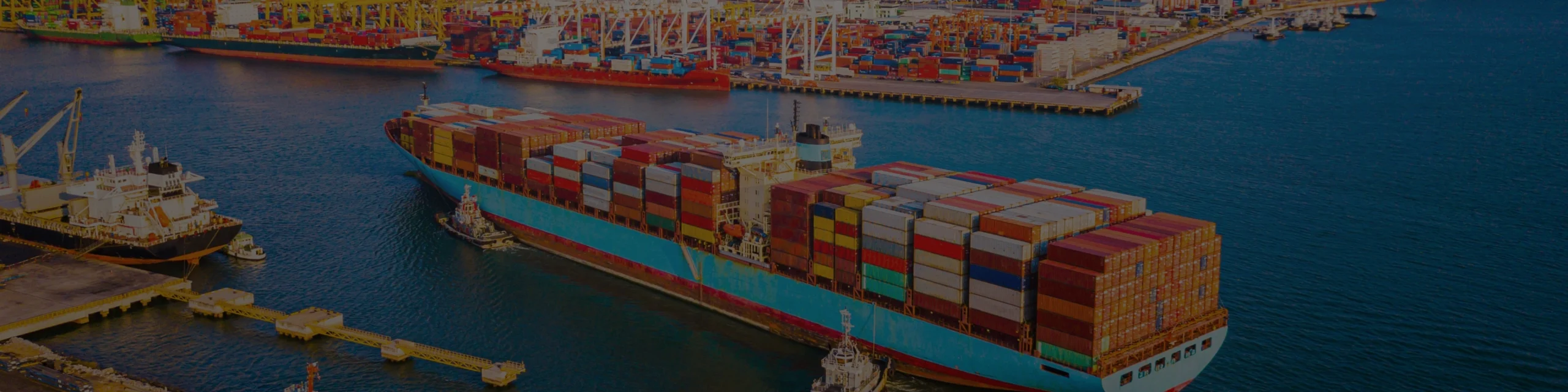
Latest Export and Import Trends in Australia: Opportunities for RTOs in 2026

Australia’s export and import sector continues to evolve in 2026, driven by global demand, technological advancements and changing supply chain requirements. These developments are creating new opportunities for businesses and Registered Training Organisations (RTOs) to support workforce development.
Key Export and Import Trends
Australia’s major exports include iron ore, coal, natural gas, agricultural products and services. Meanwhile, imports such as machinery, electronics, vehicles and digital equipment support local businesses and consumers.
Recent trade data highlight fluctuations in both exports and imports, reinforcing the importance of efficient logistics, international trade compliance and reliable supply chain management.
Digitalisation is also transforming international trade. Businesses are increasingly adopting digital documentation, automated inventory systems and advanced tracking technologies to improve efficiency and reduce operational costs.
What These Trends Mean for RTOs
For Australian RTOs, these changes create opportunities to deliver industry-relevant training in logistics, supply chain management, import and export documentation, procurement and compliance.
By collaborating with employers and updating training practices, RTOs can help learners develop the practical skills required in today’s changing trade environment.
Conclusion
Australia’s latest export and import trends highlight the growing importance of skilled workers, digital capabilities and effective supply chain management. RTOs can play a vital role in preparing learners for emerging industry opportunities through practical, quality-focused and industry-aligned training.
Staying updated with international trade trends can help RTOs deliver relevant training and support Australia’s future workforce.


