

 Grains & Pulses
 Organic Produce
 Spices & Condiments
 Fresh Herbs

 Fresh Fruits
 Fresh Vegetables
 Exotic Produce
 Seasonal Specials

 Groundnut Seeds
 Mustard Seeds
 Sesame Seeds
 Sunflower Seeds

 Fresh Fish
 Frozen Fish
 Crab & Lobster
 Prawns & Shrimps

 Bath & Body
 Skincare
 Haircare
 Oral Care

 Flavored Honey
 Honey Syrups
 Organic Honey
 Raw Honey

 Cornflakes
 Millet Mixes
 Oats & Muesli
 Granola

 Mini Tractors
 Harvesting Tools
 Power Tillers
 Sprayers & Pumps

 Chemical Fertilizers
 Pesticides
 Organic Fertilizers
 Herbicides

 Farm Tools
 Irrigation Equipment
 Threshers

 Packaging Machines
 Cold Storage Units
 Food Processing Machines
 Grinding & Milling Machines

 Baby Food
 Baby Skincare
 Diapers & Wipes
 Toys & Accessories

 Cattle Feed
 Fish Feed
 Pet Food
 Poultry Feed

 Frozen Chicken
 Ham & Bacon
 Meat Snacks
 Sausages

 Bakery Products
 Beverages (Juices, Soft Drinks)
 Packaged Snacks
 Ready-to-Eat Foods

 Biofuels
 Energy Storage Batteries
 Solar Panels
 Wind Energy Equipment


Export Markets for Australian Businesses: 10 Best in 2026

Top 10 Export Markets for Australian Businesses in 2026
Introduction
Australia is one of the world’s important trading nations, offering businesses opportunities to sell products and services across international markets. As global demand continues to evolve in 2026, Australian companies are looking beyond domestic customers to reach international buyers, wholesalers, distributors and business partners.
For Australian exporters, choosing the right international destination is one of the most important steps towards long-term business growth. Different countries offer different opportunities depending on consumer demand, purchasing power, trade relationships, import regulations and product requirements.
According to the Australian Bureau of Statistics, Australia’s five largest export partner countries in 2025 were China, Japan, the United States, South Korea and India. Together, these markets accounted for 59.8% of Australia’s total exports of goods and services.
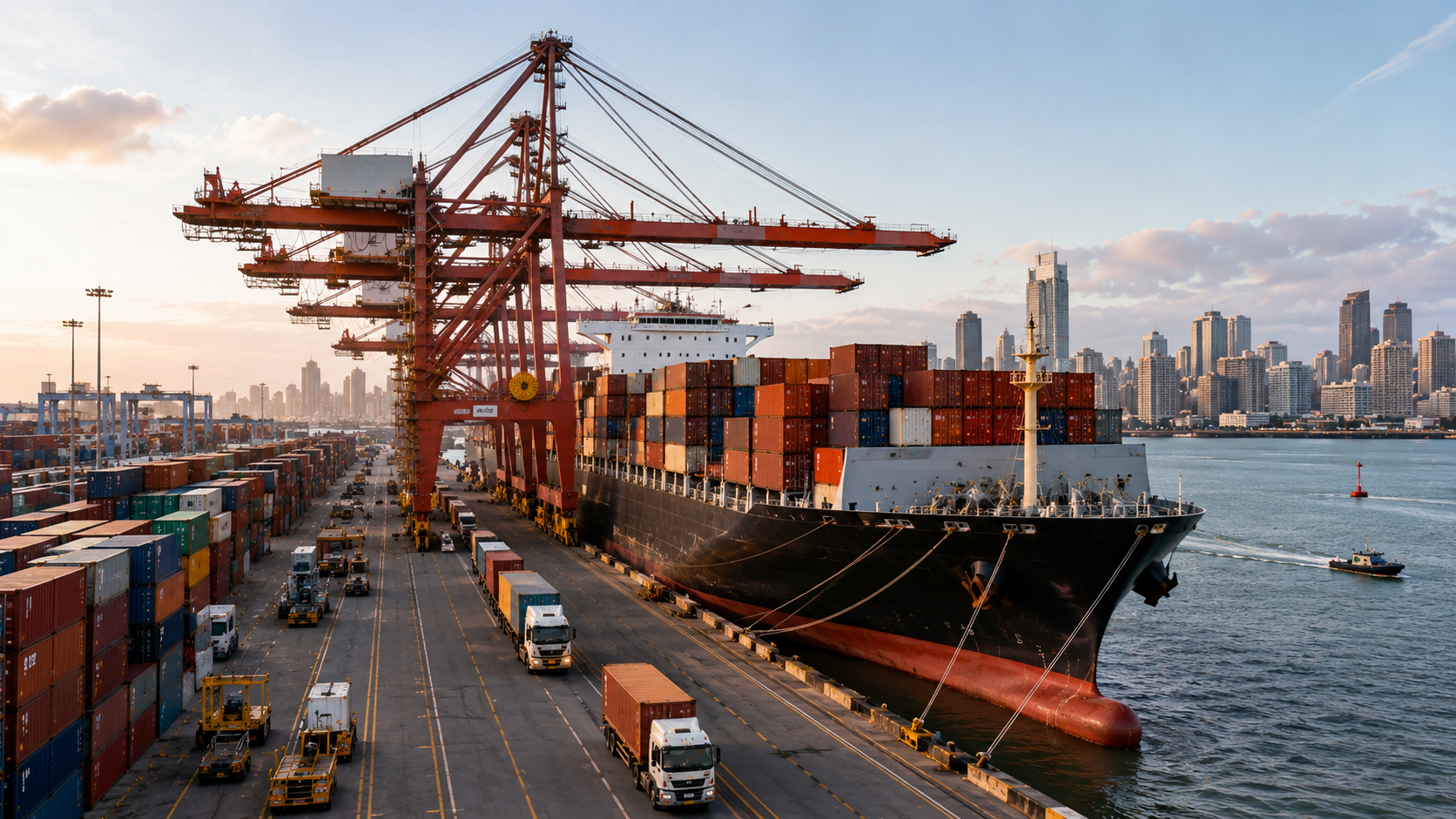
In 2026, these established markets remain important destinations for Australian exporters. At the same time, emerging opportunities in the United Arab Emirates, Southeast Asia and other international regions are encouraging businesses to diversify their export strategies.
This guide explores the top export markets for Australian businesses in 2026, important international trade opportunities and practical ways companies can expand their global presence.
Why Australian Businesses Should Explore International Export Markets
Expanding into international markets can help Australian businesses increase sales, reach new customers and reduce their dependence on domestic demand.
Australian Businesses has a strong reputation for supplying quality products, including agricultural commodities, premium food, seafood, meat, dairy products, minerals, manufactured goods and professional services.
International buyers often look for reliable suppliers that can provide consistent quality, competitive pricing and dependable delivery. Australian producers and manufacturers can explore these opportunities by building relationships with overseas importers, distributors and wholesalers.
There are several reasons why international exporting is important for Australian businesses:
- Business growth: Access to international customers can create opportunities to increase sales and expand operations.
- Market diversification: Selling to different countries can reduce dependence on a single market.
- Global brand recognition: International distribution can increase awareness of Australian products.
- New partnerships: Exporting helps businesses build relationships with international buyers and distributors.
- Long-term opportunities: Establishing relationships in international markets can support sustainable business development.
However, entering a new market requires research, planning and an understanding of local business conditions.
Top Export Markets for Australian Businesses in 2026
The following countries represent important opportunities for Australian exporters. The export figures below refer to the latest complete calendar-year data for 2025, rather than a full-year forecast for 2026.
| Export Market | Australia’s Exports in 2025 |
|---|---|
| China | A$195.6 billion |
| Japan | A$65.1 billion |
| United States | A$59.9 billion |
| South Korea | A$44.2 billion |
| India | A$32.2 billion |
Source: Australian Bureau of Statistics, International Trade: Supplementary Information, Calendar Year 2025. Figures cover merchandise and services exports.
1. China – Australia’s Largest Export Market
China remains Australia’s largest export partner and an important destination for Australian products and services.
In 2025, Australian exports of goods and services to China reached approximately A$195.6 billion. This demonstrates the importance of the Chinese market within Australia’s international trading relationships.
Australian companies may find opportunities in agricultural commodities, food products, minerals, natural resources, premium consumer products and education-related services.
China has a large consumer market with different customer segments and purchasing preferences. Businesses interested in entering the market should identify suitable product categories and understand the requirements of local distributors and importers.
Potential opportunities for Australian exporters:
- Premium Australian food and beverages.
- Agricultural commodities and raw materials.
- Dairy and food ingredients.
- Seafood and meat products.
- Minerals and natural resources.
- Education and professional services.
Australia and China have the China-Australia Free Trade Agreement (ChAFTA), which provides preferential trade arrangements for eligible products.
Before exporting, businesses should research Chinese import regulations, product registration, labelling requirements, tariffs and distribution channels.
2. Japan – A Strong Market for Quality Australian Products
Japan is one of Australia’s most established trading partners. Its demand for imported commodities, food products, resources and specialised services makes it an important market for Australian businesses.
Australian exports of goods and services to Japan reached approximately A$65.1 billion in 2025.
Japanese customers and businesses often place significant importance on product quality, reliability, packaging and consistent supply. These expectations can create opportunities for Australian businesses that can maintain high product standards.
Potential export opportunities include:
- Premium beef and lamb.
- Seafood and agricultural products.
- Dairy ingredients and food products.
- Natural resources and minerals.
- Specialised industrial products.
- Education and professional services.
The Japan-Australia Economic Partnership Agreement (JAEPA) supports trade between the two countries by reducing or eliminating tariffs on eligible products.
Australian exporters should understand Japanese product standards, import procedures, packaging expectations and buyer requirements before approaching potential partners.
Building relationships with established Japanese importers and distributors can also help businesses understand local market conditions.
3. United States – A Large and Diverse Export Destination
The United States offers Australian businesses access to one of the world’s largest consumer and commercial markets.
In 2025, Australia’s exports of goods and services to the United States reached approximately A$59.9 billion.
The US market includes customers across food, agriculture, technology, manufacturing, healthcare, resources and professional services. This diversity creates opportunities for businesses operating in different industries.
Australian companies can investigate opportunities in:
- Premium food and beverage products.
- Agricultural commodities.
- Meat and seafood.
- Natural resources and minerals.
- Industrial and manufactured products.
- Software and professional services.
The Australia-United States Free Trade Agreement (AUSFTA) supports trade between the two countries and provides preferential arrangements for eligible products and services.
However, exporters should carefully assess competition, import regulations, product certification, freight costs and state-specific business requirements.
Working with experienced importers and distributors can help Australian suppliers understand the commercial requirements of the US market.
4. South Korea – Growing Opportunities for Australian Exporters
South Korea is another important destination for Australian exports. The country’s developed economy, manufacturing industries and demand for international products create opportunities for Australian suppliers.
Australian exports of goods and services to South Korea reached approximately A$44.2 billion in 2025.
Australian exporters may explore opportunities in:
- Beef and other meat products.
- Agricultural commodities.
- Dairy and food ingredients.
- Minerals and energy resources.
- Raw materials for manufacturing.
- Professional and business services.
The Korea-Australia Free Trade Agreement (KAFTA) helps improve market access for eligible Australian products.
Businesses entering South Korea should investigate relevant import standards, product certification, labelling and distribution requirements.
Finding established South Korean importers, wholesalers and industry partners can help Australian companies build reliable commercial relationships.
5. India – An Important Market for Future Business Expansion
India offers significant opportunities for Australian exporters due to its large population, diverse industries and growing demand for international goods and services.
Australia’s exports of goods and services to India reached approximately A$32.2 billion in 2025.
Demand and market opportunities vary across India’s regions and industries. Businesses should therefore identify specific customer groups rather than treating the entire country as one market.
Potential export categories include:
- Agricultural commodities.
- Lentils, pulses and selected food products.
- Wool and cotton.
- Minerals and raw materials.
- Education and professional services.
- Manufacturing and industrial products.
The Australia-India Economic Cooperation and Trade Agreement (ECTA), which entered into force on 29 December 2022, provides improved market access for eligible Australian exporters.
Depending on the product, the agreement can offer reduced or eliminated tariffs and improved trade facilitation.
Australian businesses should research India’s customs procedures, product standards, regional distribution networks and local competition before entering the market.
Emerging Export Markets Beyond the Traditional Five
Although Australia’s largest established export partners remain important, businesses should also consider other international destinations.
Diversifying into additional markets can help exporters discover new customers and reduce exposure to changing demand in individual countries.
6. United Arab Emirates – A Gateway to Middle Eastern Markets
The United Arab Emirates (UAE) is an important commercial and trading hub connecting businesses across the Middle East, Africa and Asia.
Australian exporters may explore opportunities in Dubai, Abu Dhabi and other UAE markets, particularly in food, agriculture, meat, seafood, dairy and consumer products.
The UAE is especially relevant for Australian suppliers looking to connect with international foodstuff importers, wholesale distributors and hospitality businesses.
The Australia-UAE Comprehensive Economic Partnership Agreement (CEPA) entered into force on 1 October 2025. It eliminates tariffs on over 99% of Australian goods exports to the UAE, subject to the agreement’s applicable rules and requirements.
Potential opportunities include:
- Australian beef and lamb.
- Frozen and chilled food products.
- Dairy products and ingredients.
- Fresh fruits and agricultural products.
- Seafood and premium food products.
- Packaged and specialty consumer goods.
Businesses targeting the UAE should research product registration, halal requirements where applicable, customs documentation, labelling and local distribution arrangements.
Dubai can also provide access to potential buyers operating across wider Gulf markets. However, exporters should evaluate each destination’s individual import regulations.
7. Singapore – A Strategic Asian Trading Hub
Singapore is an important international business, logistics and distribution centre.
Its developed infrastructure and international trading network can make it an attractive destination for Australian businesses looking to establish commercial relationships in Asia.
Potential opportunities include premium food, seafood, agricultural products, processed foods, ingredients and professional services.
Singapore’s role as a regional business hub can also make it useful for companies seeking connections with buyers and distributors serving nearby countries.
8. Vietnam – Opportunities in a Developing Consumer Market
Vietnam is a market Australian businesses may consider when developing a Southeast Asian export strategy.
Potential areas of interest include agricultural products, food ingredients, meat, dairy, seafood and selected manufactured products.
Australian exporters should evaluate consumer demand, local competition, customs procedures, product registration and distribution networks.
The ASEAN-Australia-New Zealand Free Trade Area (AANZFTA), along with other applicable regional trade arrangements, can provide preferential access for eligible products.
9. Indonesia and Malaysia – Regional Export Opportunities
Indonesia and Malaysia are additional markets worth investigating for businesses interested in expanding across Southeast Asia.
Both markets have diverse consumer needs and established international trading relationships.
Australian businesses may investigate opportunities in agricultural commodities, food products, dairy ingredients, meat, education and professional services.
The Indonesia-Australia Comprehensive Economic Partnership Agreement (IA-CEPA) provides a framework for improved trade and investment opportunities between Australia and Indonesia.
Market entry requires an understanding of local regulations, import requirements, business practices and customer preferences.
10. New Zealand and the United Kingdom – Established Business Relationships
New Zealand and the United Kingdom remain relevant international destinations for Australian exporters.
Geographic proximity makes New Zealand attractive for businesses seeking a nearby international market. Established commercial and cultural connections can also support business relationships.
The United Kingdom provides opportunities for Australian suppliers in food, beverages, agricultural products, specialised consumer goods and professional services.
The Australia-United Kingdom Free Trade Agreement supports eligible trade between both countries.
Exporters should still assess shipping costs, competition, product standards and distribution requirements before deciding to enter either market.
How to Choose the Right Export Market for Your Business
Not every international market is suitable for every Australian business. A product with strong demand in one country may face different consumer preferences, regulatory barriers or competition in another.
Before choosing an export destination, businesses should consider the following factors.
1. Research International Market Demand
Start by identifying countries where potential customers already purchase similar products.
Research industry demand, import statistics, customer preferences and market competition.
Businesses should also identify the size of their target customer group and whether there is sufficient demand to support profitable exports.
2. Understand Import Regulations
Every country has different customs rules, food safety standards, product registration procedures and documentation requirements.
For food and agricultural exporters, requirements may include health certificates, quarantine approvals, labelling, inspections and other product-specific documentation.
Before shipping products, confirm the relevant requirements with the importing country’s authorities and qualified trade professionals.
3. Calculate Shipping and Logistics Costs
International shipping costs can significantly affect the profitability of an export transaction.
Businesses should calculate freight, insurance, customs charges, storage, handling and delivery expenses.
For chilled and frozen goods, temperature-controlled transportation and cold-chain management are particularly important.
4. Find Reliable International Buyers
Finding the right international buyer is essential for successful exporting.
Businesses should research potential importers, wholesalers, distributors and retail partners.
Before entering into an agreement, exporters should verify company details, purchasing capacity, payment arrangements and commercial references.
5. Understand International Trade Agreements
Australia has several free trade agreements with international trading partners.
These agreements may reduce tariffs, improve market access and simplify certain trade procedures for eligible products.
However, preferential treatment depends on the applicable agreement, product classification and rules of origin.
Businesses should check the current requirements with the Australian Department of Foreign Affairs and Trade (DFAT) and relevant customs authorities.
Common Challenges Australian Exporters Should Prepare For
International expansion can provide valuable opportunities, but exporters also need to manage potential risks.
Some common challenges include:
Regulatory requirements: Different countries may have complex import regulations, product standards, certifications and documentation requirements.
Currency fluctuations: Changes in exchange rates can affect export prices, profit margins and international payments.
Shipping delays: Port congestion, transportation disruptions and customs inspections can affect delivery schedules.
International competition: Australian exporters may compete with suppliers from countries offering similar products at different prices.
Payment risks: Businesses should establish clear payment terms and assess international buyers before accepting large orders.
Cultural differences: Communication styles, negotiation practices and purchasing expectations can differ between countries.
Planning ahead and working with qualified logistics, compliance and trade professionals can help businesses manage these challenges.
How AUSExports Helps Australian Businesses Reach International Markets
Finding international buyers, identifying reliable suppliers and managing export-related activities can be challenging for Australian businesses.
AUSExports provides an online export and import marketplace designed to connect international buyers with Australian producers, manufacturers and wholesalers.
The platform supports businesses across product discovery, supplier connections and international trade opportunities.
Discover International Buyers and Trade Opportunities
Australian exporters can use an international marketplace to present their products to potential buyers and explore opportunities across different countries.
Developing an online business presence can help producers and manufacturers reach customers beyond their local markets.
Connect with Australian Producers and Suppliers
International importers can explore Australian products across categories such as food, meat, seafood, dairy, agriculture, health and consumer goods.
A centralised marketplace can make it easier for buyers to identify products and connect with potential suppliers.
Access Export and Import Services
Successful international trade involves more than finding a buyer or seller.
Businesses may also need assistance with freight forwarding, cold storage, export documentation, product testing, compliance, trade finance and other specialised services.
AUSExports provides access to an ecosystem of export and import service providers to help businesses explore these requirements.
Build Long-Term International Business Relationships
International exporting depends on reliable commercial relationships.
By connecting producers, suppliers, buyers, wholesalers and service providers, AUSExports aims to support businesses as they develop their international trade networks.
Australian companies interested in expanding globally can explore the platform to discover products, investigate export opportunities and connect with participants in international trade.
Frequently Asked Questions About Australian Export Markets
What are the top export markets for Australian businesses in 2026?
Based on Australia’s complete calendar-year 2025 export statistics, the five largest partner countries were China, Japan, the United States, South Korea and India. Together, they accounted for 59.8% of Australia’s exports of goods and services.
Which country is Australia’s largest export market?
China was Australia’s largest export partner in 2025, with approximately A$195.6 billion in exports of goods and services.
Is the UAE a good market for Australian exporters?
The UAE may provide opportunities for Australian businesses, particularly in food, agriculture, meat, seafood and other product categories. The Australia-UAE CEPA, which entered into force in October 2025, also improves market access for eligible Australian goods.
How can Australian businesses find international buyers?
Australian businesses can use online export marketplaces, international trade directories, industry exhibitions, business networking platforms and importer databases to identify potential buyers and distributors.
What products can Australian businesses export internationally?
Australian businesses export a wide range of products, including agricultural commodities, beef, lamb, seafood, dairy, wine, minerals, manufactured goods and consumer products. Opportunities depend on the destination market and relevant import requirements.
Do Australian exporters need special certificates?
Certain products require export permits, health certificates, quarantine approvals, product registrations or other documentation. Requirements depend on the product and destination country.
How can a small Australian business start exporting?
Small businesses can start by identifying suitable international markets, researching product demand, checking export requirements, calculating logistics costs and finding reliable international buyers.
Using an export marketplace and working with experienced service providers may also help businesses explore their first international trade opportunities.
Conclusion: Expanding Australian Businesses into Global Markets
The international export landscape offers Australian businesses a wide range of opportunities in 2026.
Established markets such as China, Japan, the United States, South Korea and India continue to play important roles in Australia’s international trade. Meanwhile, destinations such as the UAE, Singapore, Vietnam, Indonesia and Malaysia offer additional opportunities for businesses interested in market diversification.
However, successful exporting requires more than choosing a country. Businesses need to understand customer demand, import regulations, international logistics, competition and the importance of reliable buyers and suppliers.
With proper market research, effective export planning and the right international business connections, Australian producers, manufacturers and wholesalers can build stronger relationships with overseas customers.
AUSExports aims to support this journey by connecting Australian businesses with international buyers, suppliers and trade service providers through its export and import marketplace.
Explore AUSExports today and discover new opportunities to take Australian products to the world.Introduction
Australia is one of the world’s important trading nations, offering businesses opportunities to sell products and services across international markets. As global demand continues to evolve in 2026, Australian companies are looking beyond domestic customers to reach international buyers, wholesalers, distributors and business partners.
For Australian exporters, choosing the right international destination is one of the most important steps towards long-term business growth. Different countries offer different opportunities depending on consumer demand, purchasing power, trade relationships, import regulations and product requirements.
According to the Australian Bureau of Statistics, Australia’s five largest export partner countries in 2025 were China, Japan, the United States, South Korea and India. Together, these markets accounted for 59.8% of Australia’s total exports of goods and services.
In 2026, these established markets remain important destinations for Australian exporters. At the same time, emerging opportunities in the United Arab Emirates, Southeast Asia and other international regions are encouraging businesses to diversify their export strategies.
This guide explores the top export markets for Australian businesses in 2026, important international trade opportunities and practical ways companies can expand their global presence.
Why Australian Businesses Should Explore International Export Markets
Expanding into international markets can help Australian businesses increase sales, reach new customers and reduce their dependence on domestic demand.
Australia has a strong reputation for supplying quality products, including agricultural commodities, premium food, seafood, meat, dairy products, minerals, manufactured goods and professional services.
International buyers often look for reliable suppliers that can provide consistent quality, competitive pricing and dependable delivery. Australian producers and manufacturers can explore these opportunities by building relationships with overseas importers, distributors and wholesalers.
There are several reasons why international exporting is important for Australian businesses:
Business growth: Access to international customers can create opportunities to increase sales and expand operations.
Market diversification: Selling to different countries can reduce dependence on a single market.
Global brand recognition: International distribution can increase awareness of Australian products.
New partnerships: Exporting helps businesses build relationships with international buyers and distributors.
Long-term opportunities: Establishing relationships in international markets can support sustainable business development.
However, entering a new market requires research, planning and an understanding of local business conditions.
Top Export Markets for Australian Businesses in 2026
The following countries represent important opportunities for Australian exporters. The export figures below refer to the latest complete calendar-year data for 2025, rather than a full-year forecast for 2026.
Export Market
Australia’s Exports in 2025
China
A$195.6 billion
Japan
A$65.1 billion
United States
A$59.9 billion
South Korea
A$44.2 billion
India
A$32.2 billion
Source: Australian Bureau of Statistics, International Trade: Supplementary Information, Calendar Year 2025. Figures cover merchandise and services exports.
1. China – Australia’s Largest Export Market
China remains Australia’s largest export partner and an important destination for Australian products and services.
In 2025, Australian exports of goods and services to China reached approximately A$195.6 billion. This demonstrates the importance of the Chinese market within Australia’s international trading relationships.
Australian companies may find opportunities in agricultural commodities, food products, minerals, natural resources, premium consumer products and education-related services.
China has a large consumer market with different customer segments and purchasing preferences. Businesses interested in entering the market should identify suitable product categories and understand the requirements of local distributors and importers.
Potential opportunities for Australian exporters:
Premium Australian food and beverages.
Agricultural commodities and raw materials.
Dairy and food ingredients.
Seafood and meat products.
Minerals and natural resources.
Education and professional services.
Australia and China have the China-Australia Free Trade Agreement (ChAFTA), which provides preferential trade arrangements for eligible products.
Before exporting, businesses should research Chinese import regulations, product registration, labelling requirements, tariffs and distribution channels.
2. Japan – A Strong Market for Quality Australian Products
Japan is one of Australia’s most established trading partners. Its demand for imported commodities, food products, resources and specialised services makes it an important market for Australian businesses.
Australian exports of goods and services to Japan reached approximately A$65.1 billion in 2025.
Japanese customers and businesses often place significant importance on product quality, reliability, packaging and consistent supply. These expectations can create opportunities for Australian businesses that can maintain high product standards.
Potential export opportunities include:
Premium beef and lamb.
Seafood and agricultural products.
Dairy ingredients and food products.
Natural resources and minerals.
Specialised industrial products.
Education and professional services.
The Japan-Australia Economic Partnership Agreement (JAEPA) supports trade between the two countries by reducing or eliminating tariffs on eligible products.
Australian exporters should understand Japanese product standards, import procedures, packaging expectations and buyer requirements before approaching potential partners.
Building relationships with established Japanese importers and distributors can also help businesses understand local market conditions.
3. United States – A Large and Diverse Export Destination
The United States offers Australian businesses access to one of the world’s largest consumer and commercial markets.
In 2025, Australia’s exports of goods and services to the United States reached approximately A$59.9 billion.
The US market includes customers across food, agriculture, technology, manufacturing, healthcare, resources and professional services. This diversity creates opportunities for businesses operating in different industries.
Australian companies can investigate opportunities in:
Premium food and beverage products.
Agricultural commodities.
Meat and seafood.
Natural resources and minerals.
Industrial and manufactured products.
Software and professional services.
The Australia-United States Free Trade Agreement (AUSFTA) supports trade between the two countries and provides preferential arrangements for eligible products and services.
However, exporters should carefully assess competition, import regulations, product certification, freight costs and state-specific business requirements.
Working with experienced importers and distributors can help Australian suppliers understand the commercial requirements of the US market.
4. South Korea – Growing Opportunities for Australian Exporters
South Korea is another important destination for Australian exports. The country’s developed economy, manufacturing industries and demand for international products create opportunities for Australian suppliers.
Australian exports of goods and services to South Korea reached approximately A$44.2 billion in 2025.
Australian exporters may explore opportunities in:
Beef and other meat products.
Agricultural commodities.
Dairy and food ingredients.
Minerals and energy resources.
Raw materials for manufacturing.
Professional and business services.
The Korea-Australia Free Trade Agreement (KAFTA) helps improve market access for eligible Australian products.
Businesses entering South Korea should investigate relevant import standards, product certification, labelling and distribution requirements.
Finding established South Korean importers, wholesalers and industry partners can help Australian companies build reliable commercial relationships.
5. India – An Important Market for Future Business Expansion
India offers significant opportunities for Australian exporters due to its large population, diverse industries and growing demand for international goods and services.
Australia’s exports of goods and services to India reached approximately A$32.2 billion in 2025.
Demand and market opportunities vary across India’s regions and industries. Businesses should therefore identify specific customer groups rather than treating the entire country as one market.
Potential export categories include:
Agricultural commodities.
Lentils, pulses and selected food products.
Wool and cotton.
Minerals and raw materials.
Education and professional services.
Manufacturing and industrial products.
The Australia-India Economic Cooperation and Trade Agreement (ECTA), which entered into force on 29 December 2022, provides improved market access for eligible Australian exporters.
Depending on the product, the agreement can offer reduced or eliminated tariffs and improved trade facilitation.
Australian businesses should research India’s customs procedures, product standards, regional distribution networks and local competition before entering the market.
Emerging Export Markets Beyond the Traditional Five
Although Australia’s largest established export partners remain important, businesses should also consider other international destinations.
Diversifying into additional markets can help exporters discover new customers and reduce exposure to changing demand in individual countries.
6. United Arab Emirates – A Gateway to Middle Eastern Markets
The United Arab Emirates (UAE) is an important commercial and trading hub connecting businesses across the Middle East, Africa and Asia.
Australian exporters may explore opportunities in Dubai, Abu Dhabi and other UAE markets, particularly in food, agriculture, meat, seafood, dairy and consumer products.
The UAE is especially relevant for Australian suppliers looking to connect with international foodstuff importers, wholesale distributors and hospitality businesses.
The Australia-UAE Comprehensive Economic Partnership Agreement (CEPA) entered into force on 1 October 2025. It eliminates tariffs on over 99% of Australian goods exports to the UAE, subject to the agreement’s applicable rules and requirements.
Potential opportunities include:
Australian beef and lamb.
Frozen and chilled food products.
Dairy products and ingredients.
Fresh fruits and agricultural products.
Seafood and premium food products.
Packaged and specialty consumer goods.
Businesses targeting the UAE should research product registration, halal requirements where applicable, customs documentation, labelling and local distribution arrangements.
Dubai can also provide access to potential buyers operating across wider Gulf markets. However, exporters should evaluate each destination’s individual import regulations.
7. Singapore – A Strategic Asian Trading Hub
Singapore is an important international business, logistics and distribution centre.
Its developed infrastructure and international trading network can make it an attractive destination for Australian businesses looking to establish commercial relationships in Asia.
Potential opportunities include premium food, seafood, agricultural products, processed foods, ingredients and professional services.
Singapore’s role as a regional business hub can also make it useful for companies seeking connections with buyers and distributors serving nearby countries.
8. Vietnam – Opportunities in a Developing Consumer Market
Vietnam is a market Australian businesses may consider when developing a Southeast Asian export strategy.
Potential areas of interest include agricultural products, food ingredients, meat, dairy, seafood and selected manufactured products.
Australian exporters should evaluate consumer demand, local competition, customs procedures, product registration and distribution networks.
The ASEAN-Australia-New Zealand Free Trade Area (AANZFTA), along with other applicable regional trade arrangements, can provide preferential access for eligible products.
9. Indonesia and Malaysia – Regional Export Opportunities
Indonesia and Malaysia are additional markets worth investigating for businesses interested in expanding across Southeast Asia.
Both markets have diverse consumer needs and established international trading relationships.
Australian businesses may investigate opportunities in agricultural commodities, food products, dairy ingredients, meat, education and professional services.
The Indonesia-Australia Comprehensive Economic Partnership Agreement (IA-CEPA) provides a framework for improved trade and investment opportunities between Australia and Indonesia.
Market entry requires an understanding of local regulations, import requirements, business practices and customer preferences.
10. New Zealand and the United Kingdom – Established Business Relationships
New Zealand and the United Kingdom remain relevant international destinations for Australian exporters.
Geographic proximity makes New Zealand attractive for businesses seeking a nearby international market. Established commercial and cultural connections can also support business relationships.
The United Kingdom provides opportunities for Australian suppliers in food, beverages, agricultural products, specialised consumer goods and professional services.
The Australia-United Kingdom Free Trade Agreement supports eligible trade between both countries.
Exporters should still assess shipping costs, competition, product standards and distribution requirements before deciding to enter either market.
How to Choose the Right Export Market for Your Business
Not every international market is suitable for every Australian business. A product with strong demand in one country may face different consumer preferences, regulatory barriers or competition in another.
Before choosing an export destination, businesses should consider the following factors.
1. Research International Market Demand
Start by identifying countries where potential customers already purchase similar products.
Research industry demand, import statistics, customer preferences and market competition.
Businesses should also identify the size of their target customer group and whether there is sufficient demand to support profitable exports.
2. Understand Import Regulations
Every country has different customs rules, food safety standards, product registration procedures and documentation requirements.
For food and agricultural exporters, requirements may include health certificates, quarantine approvals, labelling, inspections and other product-specific documentation.
Before shipping products, confirm the relevant requirements with the importing country’s authorities and qualified trade professionals.
3. Calculate Shipping and Logistics Costs
International shipping costs can significantly affect the profitability of an export transaction.
Businesses should calculate freight, insurance, customs charges, storage, handling and delivery expenses.
For chilled and frozen goods, temperature-controlled transportation and cold-chain management are particularly important.
4. Find Reliable International Buyers
Finding the right international buyer is essential for successful exporting.
Businesses should research potential importers, wholesalers, distributors and retail partners.
Before entering into an agreement, exporters should verify company details, purchasing capacity, payment arrangements and commercial references.
5. Understand International Trade Agreements
Australia has several free trade agreements with international trading partners.
These agreements may reduce tariffs, improve market access and simplify certain trade procedures for eligible products.
However, preferential treatment depends on the applicable agreement, product classification and rules of origin.
Businesses should check the current requirements with the Australian Department of Foreign Affairs and Trade (DFAT) and relevant customs authorities.
Common Challenges Australian Exporters Should Prepare For
International expansion can provide valuable opportunities, but exporters also need to manage potential risks.
Some common challenges include:
Regulatory requirements: Different countries may have complex import regulations, product standards, certifications and documentation requirements.
Currency fluctuations: Changes in exchange rates can affect export prices, profit margins and international payments.
Shipping delays: Port congestion, transportation disruptions and customs inspections can affect delivery schedules.
International competition: Australian exporters may compete with suppliers from countries offering similar products at different prices.
Payment risks: Businesses should establish clear payment terms and assess international buyers before accepting large orders.
Cultural differences: Communication styles, negotiation practices and purchasing expectations can differ between countries.
Planning ahead and working with qualified logistics, compliance and trade professionals can help businesses manage these challenges.
How AUSExports Helps Australian Businesses Reach International Markets
Finding international buyers, identifying reliable suppliers and managing export-related activities can be challenging for Australian businesses.
AUSExports provides an online export and import marketplace designed to connect international buyers with Australian producers, manufacturers and wholesalers.
The platform supports businesses across product discovery, supplier connections and international trade opportunities.
Discover International Buyers and Trade Opportunities
Australian exporters can use an international marketplace to present their products to potential buyers and explore opportunities across different countries.
Developing an online business presence can help producers and manufacturers reach customers beyond their local markets.
Connect with Australian Producers and Suppliers
International importers can explore Australian products across categories such as food, meat, seafood, dairy, agriculture, health and consumer goods.
A centralized marketplace can make it easier for buyers to identify products and connect with potential suppliers.
Access Export and Import Services
Successful international trade involves more than finding a buyer or seller.
Businesses may also need assistance with freight forwarding, cold storage, export documentation, product testing, compliance, trade finance and other specialized services.
AUSExports provides access to an ecosystem of export and import service providers to help businesses explore these requirements.
Build Long-Term International Business Relationships
International exporting depends on reliable commercial relationships.
By connecting producers, suppliers, buyers, wholesalers and service providers, AUSExports aims to support businesses as they develop their international trade networks.
Australian companies interested in expanding globally can explore the platform to discover products, investigate export opportunities and connect with participants in international trade.
Export markets are important for Australian businesses because they provide opportunities to reach international customers and increase sales.
Businesses can explore different countries to find new buyers and expand their operations.
Choosing the right export market can help companies grow and become more competitive globally.
Explore AUSExports today and discover new opportunities to take Australian products to the world.


