

 Grains & Pulses
 Organic Produce
 Spices & Condiments
 Fresh Herbs

 Fresh Fruits
 Fresh Vegetables
 Exotic Produce
 Seasonal Specials

 Groundnut Seeds
 Mustard Seeds
 Sesame Seeds
 Sunflower Seeds

 Fresh Fish
 Frozen Fish
 Crab & Lobster
 Prawns & Shrimps

 Bath & Body
 Skincare
 Haircare
 Oral Care

 Flavored Honey
 Honey Syrups
 Organic Honey
 Raw Honey

 Cornflakes
 Millet Mixes
 Oats & Muesli
 Granola

 Mini Tractors
 Harvesting Tools
 Power Tillers
 Sprayers & Pumps

 Chemical Fertilizers
 Pesticides
 Organic Fertilizers
 Herbicides

 Farm Tools
 Irrigation Equipment
 Threshers

 Packaging Machines
 Cold Storage Units
 Food Processing Machines
 Grinding & Milling Machines

 Baby Food
 Baby Skincare
 Diapers & Wipes
 Toys & Accessories

 Cattle Feed
 Fish Feed
 Pet Food
 Poultry Feed

 Frozen Chicken
 Ham & Bacon
 Meat Snacks
 Sausages

 Bakery Products
 Beverages (Juices, Soft Drinks)
 Packaged Snacks
 Ready-to-Eat Foods

 Biofuels
 Energy Storage Batteries
 Solar Panels
 Wind Energy Equipment


Export & Import Trends in Australia: Opportunities for RTOs in 2026

Export and Import Trends in Australia 2026: RTO Guide
Latest Export and Import Trends in Australia 2026: Opportunities for RTOs
Australia’s international trade sector continues to play an important role in the country’s economic development. In 2026, activities are beingExport & Import Trends influenced by changing global markets, technological innovation, supply chain requirements, international partnerships and growing business demand for skilled workers. These developments are creating new opportunities for export and import trends in Australia 2026logistics providers, importers, exporters and Registered Training Organisations (RTOs).
Understanding the latest export and import trends in Australia is essential for businesses that want to remain competitive in international markets. It is equally important for RTOs that deliver vocational education and training (VET), as industry changes influence the knowledge and practical skills workers need.
Australia trades with countries across Asia, Europe, North America and other international markets. Its trade relationships support industries such as mining, agriculture, manufacturing, transportation, education, professional services and technology.
For training providers, these developments present an opportunity to deliver more industry-relevant programmes and prepare students for employment in growing sectors.
This article explores the major Australian export and import trends in 2026, the challenges affecting international trade, emerging workforce requirements and practical opportunities for RTOs.
1. Understanding Australia’s Export and Import Industry in 2026
International trade involves the exchange of goods and services between Australia and other countries. Exports refer to products and services sold to international markets, while imports represent goods and services purchased from overseas suppliers.
Australia exports a wide range of products, including mineral resources, agricultural commodities, energy products and professional services. It also imports machinery, vehicles, electronics, pharmaceuticals, manufactured products and other essential goods.
The Australian Bureau of Statistics (ABS) reported that Australia’s total goods and services exports reached approximately $665.2 billion in calendar year 2025, an increase of 3.1%. Imports increased by 6.9% to approximately $658.3 billion. Australia recorded a goods and services trade surplus of $6.9 billion during that year.
These figures demonstrate the significant scale of Australia’s international trading activities and provide an important starting point for understanding the market conditions influencing businesses in 2026.
For businesses, the figures highlight the importance of maintaining effective international trading relationships. For RTOs, they demonstrate why practical knowledge of importing, exporting, freight management and international business operations is relevant to workforce preparation.
Australian businesses must also understand that international trade conditions can change due to currency movements, consumer demand, transport costs, government policies and global economic developments.
RTOs can support workforce readiness by ensuring their training programmes reflect these practical business requirements.
2. Australia’s Major Export Industries and Global Opportunities
Australia has several established export industries that contribute to its international trade activities.
Understanding these industries can help businesses identify market opportunities and help training organisations develop relevant learning programmes.
Mining and Natural Resources
Mining remains an important part of Australia’s export economy. Products such as iron ore, coal, natural gas and other mineral resources are supplied to international customers.
Demand for mineral resources is influenced by infrastructure development, industrial production, energy requirements and economic activity in overseas markets.
Australian mining businesses also depend on effective transportation, storage, documentation and international shipping arrangements.
Workers involved in this sector may require skills in:
- Freight and transport coordination.
- Inventory and warehouse management.
- Export documentation.
- Workplace safety procedures.
- Supply chain operations.
- Business communication.
RTOs can explore opportunities to provide relevant training that supports logistics and operational roles connected with the mining and resources sector.
Agriculture and Food Exports
Agriculture is another important component of Australian international trade.
Australian agricultural businesses supply products such as meat, wheat, dairy products, grains, fruit and other food commodities to international markets.
Food exporters must consider product quality, packaging, transportation, storage conditions and applicable biosecurity requirements.
International food trade also requires careful coordination between producers, freight companies, distributors and overseas buyers.
RTOs can support relevant workforce development through training in logistics, business operations, supply chain management, administration and export procedures.
Energy and Natural Resources
Australia’s energy exports include liquefied natural gas and other energy-related commodities.
International demand, energy security considerations, infrastructure investment and changing energy policies can influence this sector.
Exporters must manage complex logistics arrangements and ensure that business operations meet relevant regulatory and safety requirements.
Training opportunities may include supply chain coordination, documentation, workplace safety, transport operations and business administration.
Professional and Business Services
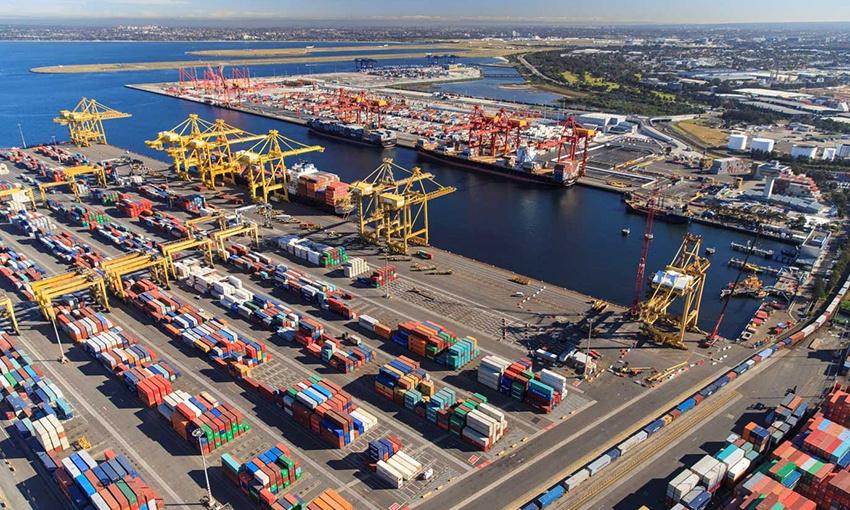
Services are also a significant part of Australia’s export economy.
These include professional services, education-related services, travel and tourism, financial services and other business activities.
According to the ABS, Australian services exports reached approximately $142.1 billion in 2025, increasing by 11% compared with the previous year. Travel services accounted for approximately $86 billion of those exports.
This demonstrates that international trade opportunities extend beyond physical goods.
RTOs can contribute by preparing students with communication, administration, customer service, digital technology and business management skills relevant to service-based industries.
3. Growing Demand for Imported Products and Technologies
Imports are essential for Australian businesses, manufacturers, infrastructure providers and consumers.
Australia purchases many products from overseas markets because international suppliers can provide specialised equipment, technology, materials and consumer goods.
Common import categories include:
- Machinery and industrial equipment.
- Electronic products and computer hardware.
- Vehicles and automotive components.
- Pharmaceutical and medical products.
- Construction materials.
- Manufacturing components.
- Consumer products and household goods.
Imported technology is particularly important for businesses seeking to improve productivity, modernise operations and introduce new digital capabilities.
Business Dependence on Imported Machinery
Australian manufacturers, construction companies and industrial businesses frequently rely on imported machinery and equipment.
These purchases require appropriate supplier selection, international payment arrangements, shipping coordination and customs documentation.
Businesses must also understand product standards, applicable import conditions and delivery requirements.
Increasing Importance of Electronic Products
Electronic products and digital equipment support businesses across many industries.
Computers, communications equipment, electronic components and specialised technology can be essential for modern business operations.
Importers therefore need employees who can manage procurement, supplier communication, stock control and delivery coordination.
Opportunities for Training Providers
These activities create opportunities for RTOs to offer training related to procurement, inventory management, logistics administration, business operations and supply chain management.
Training should focus on practical workplace situations so students understand how different business functions operate together.
4. Australia’s Major International Trading Partners
Australia maintains extensive trade relationships with international markets.
According to the ABS calendar-year 2025 statistics, China remained Australia’s largest export and import partner when considering combined merchandise trade and services data.
Other important trading partners included Japan, the United States, South Korea, India, Singapore and Thailand.
In 2025, Australia’s top five export partners were:
| Country | Australian exports |
|---|---|
| China | $195.6 billion |
| Japan | $65.1 billion |
| United States | $59.9 billion |
| South Korea | $44.2 billion |
| India | $32.2 billion |
For imports, the leading partners included China, the United States, Japan, Singapore and Thailand.
These figures demonstrate the importance of Australia’s international business relationships and the opportunities available across different markets.
China
China is a major destination for Australian exports and an important source of imported products.
The relationship includes resources, agricultural products, manufactured goods and other trade activities.
Businesses involved in this market must understand international commercial arrangements, communication requirements and freight coordination.
Japan and South Korea
Japan and South Korea are important partners for Australian exports.
Trade relationships include natural resources, agricultural products, energy and other goods and services.
These markets highlight the value of reliable business communication, international logistics and effective trade documentation.
India and Southeast Asian Markets
India and Southeast Asian economies offer important opportunities for international trade diversification.
Australian businesses may explore partnerships involving agricultural products, services, technology and other commercial activities.
RTOs can help prepare students with international business knowledge, digital communication skills and supply chain capabilities.
These historical figures are based on 2025 calendar-year data, rather than a completed 2026 annual result.
5. Digital Transformation in Australia’s Import and Export Industry
Digital transformation is changing how international trade businesses manage everyday operations.
Traditional manual processes are increasingly being supported by digital documentation, online communication systems, inventory software and automated business platforms.
Technology can help businesses improve accuracy, reduce administrative delays and gain better visibility over supply chain activities.
Digital Trade Documentation
Importers and exporters must manage different types of business and shipping documentation.
Digital systems can make it easier to create, store, organise and share relevant documents.
Depending on the type of transaction, documentation may include commercial invoices, packing lists, transport documents, certificates and other regulatory records.
Employees must understand how to use digital systems accurately and maintain appropriate records.
Inventory and Warehouse Management Software
Modern warehouse systems help businesses monitor stock levels, process orders and coordinate product movements.
Effective inventory management is important because inaccurate stock records can lead to delays, unnecessary costs and customer dissatisfaction.
Training in inventory management software and digital business processes can help learners prepare for relevant administrative and operational responsibilities.
Automation and Artificial Intelligence
Automation and artificial intelligence are creating additional possibilities for trade and logistics businesses.
Businesses may use technology to assist with forecasting, document processing, customer communication, warehouse planning and data analysis.
However, technology does not eliminate the need for knowledgeable employees.
Workers still need to understand business procedures, identify errors, interpret information and make appropriate operational decisions.
RTOs can introduce relevant digital skills while ensuring that students receive sufficient practical instruction and human support.
6. Supply Chain Management and Logistics Developments
Supply chain management is one of the most important areas of international trade.
A supply chain includes all the activities involved in sourcing, purchasing, transporting, storing and delivering products.
International businesses depend on effective coordination between suppliers, manufacturers, freight companies, warehouses, distributors and customers.
Freight and Transportation Management
Freight transportation connects Australian businesses with overseas suppliers and customers.
Depending on the products and destinations involved, businesses may use sea freight, air freight, road transport and rail services.
Each transportation method has different requirements relating to delivery time, cost, handling and documentation.
Employees working in logistics need to understand how to coordinate shipments and communicate effectively with relevant parties.
Warehouse and Distribution Operations
Warehousing is another important part of the supply chain.
Businesses need efficient systems for receiving goods, checking quantities, storing products, preparing orders and arranging dispatch.
Poor warehouse management can affect delivery schedules and business performance.
Relevant training can help employees understand stock control, workplace safety, warehouse procedures and distribution management.
Supply Chain Risk Management
International supply chains can be affected by transportation delays, supplier problems, changing regulations, natural disasters and unexpected global events.
Businesses need practical risk-management procedures to reduce disruptions.
These may include using alternative suppliers, monitoring delivery performance, maintaining appropriate stock levels and developing contingency plans.
For RTOs, these topics provide opportunities to create learning activities based on realistic workplace scenarios.
7. Import and Export Compliance Requirements in Australia
Compliance is an essential part of international trade.
Australian businesses involved in importing and exporting must understand the laws, procedures and documentation applicable to their products and activities.
Requirements can vary depending on the product, country of origin, destination and type of transaction.
Customs Procedures
Importers and exporters must understand applicable customs requirements.
Businesses should ensure that declarations and supporting documents are accurate and complete.
Incorrect information may result in processing delays, additional costs or regulatory difficulties.
Biosecurity Requirements
Agricultural products, food, plant materials and animal products may be subject to specific biosecurity controls.
Businesses must identify relevant requirements before shipping goods.
This is particularly important for companies involved in food and agricultural exports and imports.
Product Standards and Regulatory Responsibilities
Certain imported products must meet Australian requirements relating to safety, quality, labelling and other regulatory matters.
Businesses should identify applicable requirements and obtain appropriate advice before importing goods.
Role of RTOs in Compliance Education
RTOs can support workforce development by incorporating relevant trade procedures, documentation requirements, workplace responsibilities and regulatory awareness into appropriate training.
However, training providers should ensure that learning materials reflect the relevant training product and current legislation.
Course content should also be reviewed regularly to avoid relying on outdated information.
8. Sustainability and Environmental Considerations in International Trade
Sustainability is becoming an increasingly important consideration for international businesses.
Australian exporters and importers may face growing expectations from customers, suppliers and business partners regarding environmental practices and supply chain transparency.
Companies may consider how products are manufactured, packaged, transported and stored.
Sustainable Packaging
Packaging can influence transportation costs, product protection and environmental impact.
Businesses may investigate recyclable materials, more efficient packaging designs and ways to reduce unnecessary packaging.
Efficient Freight Operations
Transportation is an important part of international supply chains.
Businesses may examine fuel consumption, route planning, shipment consolidation and other methods of improving transportation efficiency.
Responsible Supply Chain Management
Companies may also evaluate suppliers according to relevant environmental, ethical and operational requirements.
Reliable records and supplier communication can support better supply chain oversight.
Opportunities for RTOs
Training organisations can introduce sustainability awareness into relevant business and logistics programmes.
Students may learn about responsible resource management, efficient workplace practices, environmental considerations and organisational responsibilities.
The aim should be to develop practical knowledge that can be applied in real business environments.
9. Opportunities for Australian RTOs in 2026
The changing international trade environment creates opportunities for Registered Training Organisations.
As businesses adopt new technologies, develop supply chain systems and respond to changing customer requirements, workforce training remains important.
RTOs can support this environment by delivering programmes that address relevant industry skills.
Developing Industry-Relevant Training
One opportunity is to review existing courses and identify areas where students need additional practical knowledge.
Depending on the applicable training products, relevant topics may include:
- International business operations.
- Logistics and supply chain management.
- Procurement and purchasing procedures.
- Warehouse operations.
- Freight and transport coordination.
- Business administration.
- Digital documentation.
- Workplace communication.
Training providers should identify the appropriate qualifications and units through the National Register and ensure that each programme meets its applicable requirements.
Building Strong Employer Partnerships
Industry partnerships can help RTOs understand the skills that employers expect from new workers.
Employers may provide feedback about workplace procedures, emerging technologies and operational challenges.
This information can help training organisations improve their learning resources and assessment activities.
RTOs can engage with logistics companies, freight businesses, importers, exporters, warehouses and other relevant organisations.
Improving Practical Learning Opportunities
Students benefit from training that connects theoretical knowledge with realistic workplace activities.
For example, a logistics learning activity might involve preparing a shipment plan, checking inventory records, completing sample documentation and responding to a simulated delivery delay.
Such activities can help learners understand the relationship between different business functions.
Practical learning must still be aligned with the requirements of the relevant training product and the needs of the student cohort.
Supporting Digital Skills Development
Digital literacy is increasingly relevant to modern workplaces.
RTOs can help learners develop skills in business software, online collaboration, digital recordkeeping and technology-supported operational processes.
Training providers should ensure that students can use relevant systems confidently and understand the importance of data accuracy.
10. Workforce Skills Required in Australia’s Import and Export Industry
The future of international trade depends not only on technology and infrastructure but also on skilled employees.
Businesses need people who can manage operational tasks, communicate effectively and respond to changing workplace requirements.
Several skill areas are particularly relevant.
Communication Skills
International trade involves communication with suppliers, customers, freight companies and business partners.
Employees need to understand business correspondence, professional communication and the importance of accurate information.
Problem-Solving Skills
Delays, missing documentation and delivery issues can affect international shipments.
Workers should be able to identify problems, follow workplace procedures and communicate possible solutions.
Digital Literacy
Employees may need to work with inventory systems, digital documentation platforms, online business tools and communication software.
Practical digital skills can support more efficient workplace operations.
Organisational Skills
Trade and logistics operations involve multiple deadlines and interconnected processes.
Employees need to manage records, organise tasks and coordinate activities with other departments.
Regulatory Awareness
A basic understanding of relevant workplace and trade requirements helps employees recognise responsibilities and follow appropriate procedures.
RTOs should consider these skills when designing training activities and supporting students’ workplace readiness.
11. Challenges Facing Australia’s Import and Export Businesses
Despite the opportunities, international trade businesses face several challenges.
Understanding these challenges can help companies make better operational decisions and prepare their employees effectively.
Global Market Changes
International demand, commodity prices, exchange rates and economic conditions can change over time.
Businesses must monitor relevant markets and consider how external developments may affect purchasing and sales decisions.
Shipping and Freight Costs
Transportation costs can influence the profitability of importing and exporting.
Businesses need to compare freight options, plan shipments and communicate with logistics providers.
Regulatory Complexity
Different products and markets may involve different rules and documentation requirements.
Importers and exporters must remain informed about applicable regulations and maintain accurate records.
Skills Shortages and Workforce Development
Businesses need workers who understand modern logistics, digital systems and operational procedures.
When employees lack appropriate skills, businesses may experience inefficiencies and additional training costs.
Training providers can contribute by maintaining industry engagement and developing appropriate learning opportunities.
12. How RTOs Can Align Training with the 2026 Industry Environment
RTOs should regularly review their programmes to ensure they remain relevant to industry needs and meet applicable regulatory requirements.
The 2025 Standards for Registered Training Organisations came into effect on 1 July 2025 for RTOs regulated by the National VET Regulator.
The framework includes Outcome Standards, Compliance Standards and the Credential Policy.
For RTOs, a key focus is delivering training that produces meaningful outcomes for learners and employers.
ASQA’s guidance for Standard 1.1 highlights the importance of engaging training, appropriate delivery methods, sufficient opportunities for practice and feedback, and training aligned with the relevant training product.
Standard 1.2 focuses on meaningful engagement with industry, employers and community representatives so that training reflects current industry practice.
These principles are particularly relevant to logistics and international trade training.
RTOs can strengthen their approach through the following activities.
Review Training and Assessment Strategies
Training providers should review their training and assessment strategies to ensure that delivery arrangements reflect the relevant training product and student needs.
Reviews can consider delivery methods, assessment activities, learning resources Export & Import Trendsthe practical requirements of the industry.
Maintain Industry Engagement
RTOs should establish appropriate relationships with employers and industry representatives.
Feedback from these stakeholders can help identify emerging workplace expectations and opportunities for improvement.
Update Learning Resources
Learning materials should reflect current industry practices and applicable regulatory requirements.
Purchased or AI-generated resources should be reviewed to ensure accuracy, suitability and complete coverage of training product requirements.
Improve Assessment Practices
Assessment should provide sufficient opportunity for students to demonstrate the required knowledge and skills.
Practical scenarios, workplace-based activities and relevant simulations may support assessment when appropriate to the training product.
Monitor Student Outcomes
RTOs should consider student feedback, assessment results and industry input when reviewing their training delivery.
Continuous improvement can help providers identify areas where additional support or changes may be needed.
13. Future Outlook for Australia’s Export and Import Industry
Looking beyond 2026, Australia’s international trade environment is likely to continue changing as businesses respond to technological developments, global market conditions and evolving consumer expectations.
Digital systems are likely to remain important for business communication, documentation and supply chain management.
International partnerships will continue to influence market opportunities, while businesses will need to manage operational risks and changing regulatory requirements.
Agriculture, resources, services, manufacturing-related activities and logistics will remain relevant areas for businesses involved in international trade.
For RTOs, the future outlook highlights the value of maintaining strong industry connections and ensuring that training remains relevant.
Training organisations should monitor industry developments rather than relying on outdated assumptions about workforce needs.
They can also consider how technology, sustainability and changing supply chain practices affect the skills required in different occupations.
By taking a proactive approach, RTOs can support students and employers in preparing for changes across the international trade sector.
14. Practical Recommendations for Importers and Exporters
Businesses seeking to strengthen their international trading operations can consider several practical actions.
First, they should regularly review their supplier relationships and evaluate the reliability of their international business partners.
Second, they should maintain accurate records and ensure that relevant customs and regulatory requirements are understood before shipments are organised.
Third, businesses should use appropriate technology to improve inventory management, order processing and shipment tracking.
Fourth, they should consider supply chain risks and develop contingency plans for potential disruptions.
Finally, businesses should invest in workforce development.
Employees who understand logistics, digital systems, documentation and operational procedures can contribute to more efficient business activities.
RTOs can support businesses by providing appropriate training that addresses genuine industry requirements.
15. Why Industry Collaboration Is Important for RTOs
Strong collaboration between training organisations and employers can improve the relevance of vocational education.
International trade is a practical business environment where procedures and technologies can change.
RTOs that actively communicate with employers may gain a better understanding of current workplace expectations.
Industry feedback can help providers identify whether students are developing the necessary skills and whether learning resources remain suitable.
Collaboration can also support the development of realistic learning activities.
For example, a business involved in freight transportation may provide feedback on the documentation, communication and coordination tasks commonly performed by its employees.
An RTO can use appropriate feedback to review its training and assessment approach.
However, industry engagement should be meaningful, properly documented and relevant to the training being delivered.
It should also support continuous improvement rather than simply being treated as an administrative activity.
Conclusion: Preparing Australian RTOs for International Trade Opportunities in 2026
The latest export and import trends in Australia demonstrate the importance of international business, effective logistics, digital transformation and skilled workforce development.
Australia’s international trade activities involve a diverse range of products, services and business relationships. These activities create opportunities for exporters, importers, logistics providers and organisations supporting the development of industry skills.
For businesses, understanding international market conditions, improving supply chain operations and maintaining appropriate compliance procedures can support more effective trade activities.
For Registered Training Organisations, these developments highlight the importance of relevant training, practical learning experiences and ongoing industry engagement.
RTOs can strengthen their contribution by reviewing training programmes, updating learning resources, developing employer relationships and ensuring their training and assessment practices align with applicable standards.
Preparing students for modern workplaces requires more than theoretical knowledge. Learners also need opportunities to develop practical skills, understand workplace responsibilities and apply their knowledge in realistic situations.
By responding to changing industry requirements, Australian RTOs can help prepare a skilled workforce and contribute to the future Export & Import Trends logistics sectors.
Frequently Asked Questions (FAQs)
1. What are the major export and import trends in Australia in 2026?
Major areas to monitor include international market diversification, digital trade documentation, logistics development, supply chain management, agricultural exports, energy products and technology imports.
2. What are Australia’s major export products?
Australia exports products including iron ore, coal, natural gas, agricultural commodities and other goods and services.
3. Which countries are Australia’s major trading partners?
Major trading partners include China, Japan, the United States, South Korea, India, Singapore and Thailand.
4. What are Australia’s major imported products?
Australian imports include machinery, vehicles, electronic equipment, pharmaceuticals, manufactured products and other consumer and business goods.
5. How can digital technology improve international trade?
Digital technology can support trade documentation, inventory management, shipment tracking, business communication and supply chain coordination.
6. Why is supply chain management important for Australian businesses?
Supply chain management helps businesses coordinate purchasing, transportationExport & Import Trends, storage and product delivery while managing operational risks and costs.
7. What opportunities do export and import trends create for Australian RTOs?
RTOs can explore industry-relevant training in logistics, supply chain management, procurement, business administration, digital documentation and workplace operations.
8. What skills are required for jobs in international trade?
Relevant skills include communication, digital literacy, documentation, logistics coordination, problem-solving, organisation and regulatory awareness.
9. Why should RTOs maintain industry partnerships?
Industry partnerships help training providers understand employer expectations, identify changing workplace requirements and improve the relevance of training and assessment.
10. How can RTOs prepare students for future trade industry requirements?
RTOs can support students through relevant training products, practical learning, appropriate assessment, updated learning resources and meaningful industry engagement.


