

 Grains & Pulses
 Organic Produce
 Spices & Condiments
 Fresh Herbs

 Fresh Fruits
 Fresh Vegetables
 Exotic Produce
 Seasonal Specials

 Groundnut Seeds
 Mustard Seeds
 Sesame Seeds
 Sunflower Seeds

 Fresh Fish
 Frozen Fish
 Crab & Lobster
 Prawns & Shrimps

 Bath & Body
 Skincare
 Haircare
 Oral Care

 Flavored Honey
 Honey Syrups
 Organic Honey
 Raw Honey

 Cornflakes
 Millet Mixes
 Oats & Muesli
 Granola

 Mini Tractors
 Harvesting Tools
 Power Tillers
 Sprayers & Pumps

 Chemical Fertilizers
 Pesticides
 Organic Fertilizers
 Herbicides

 Farm Tools
 Irrigation Equipment
 Threshers

 Packaging Machines
 Cold Storage Units
 Food Processing Machines
 Grinding & Milling Machines

 Baby Food
 Baby Skincare
 Diapers & Wipes
 Toys & Accessories

 Cattle Feed
 Fish Feed
 Pet Food
 Poultry Feed

 Frozen Chicken
 Ham & Bacon
 Meat Snacks
 Sausages

 Bakery Products
 Beverages (Juices, Soft Drinks)
 Packaged Snacks
 Ready-to-Eat Foods

 Biofuels
 Energy Storage Batteries
 Solar Panels
 Wind Energy Equipment


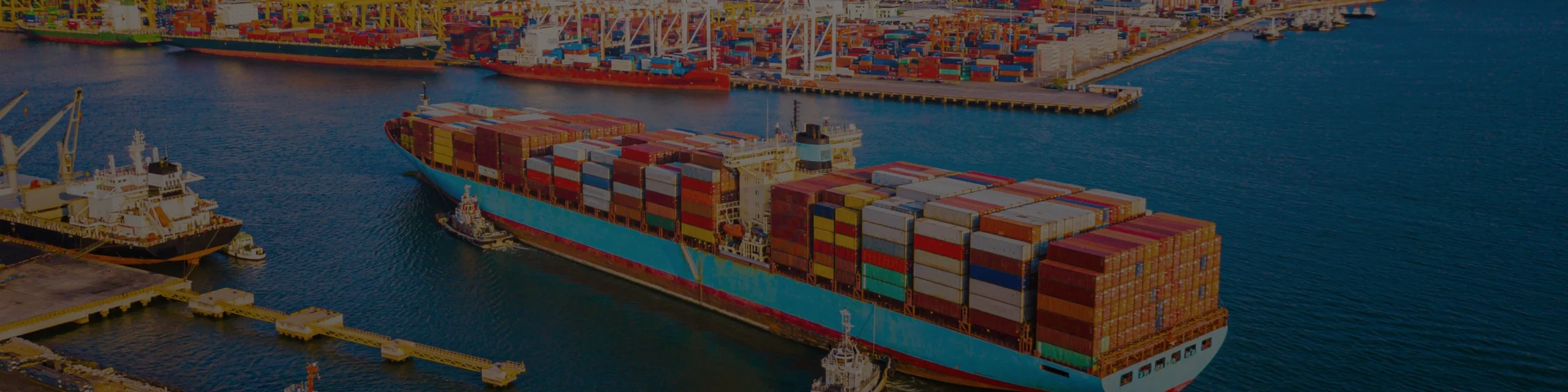
Australia’s Free Trade Agreements: Export Benefits


Australia’s Free Trade Agreements: Export Benefits
7 Benefits of Australia Free Trade Agreements for Exporters
Introduction
Australia Free Trade Agreements create valuable opportunities for Australian businesses looking to expand into international markets. These agreements can help eligible exporters improve market access, reduce certain trade costs and develop stronger relationships with international buyers.
Australia Free Trade Agreements help address some of these challenges by establishing trade rules and reducing or removing certain barriers between participating economies. These agreements create opportunities for Australian exporters, importers, producers and investors to develop stronger international business relationships.
For businesses looking to expand beyond the Australian domestic market, understanding free trade agreements can support better sourcing decisions, export planning and market research. Importers also benefit from understanding how these agreements may affect the cost and availability of Australian products.
Australia has developed a broad network of bilateral and regional trade agreements with important commercial partners. These include agreements with countries such as China, Japan, South Korea, Singapore, Thailand, the United States, the United Kingdom, India and New Zealand, as well as regional arrangements involving multiple economies.
However, an important point is that free trade agreements do not automatically remove every trade barrier. Benefits depend on the product, tariff classification, country of destination, applicable rules of origin and relevant customs requirements.
This guide explains seven important benefits of Australia’s free trade agreements, how they support international trade, which industries may benefit and what exporters and importers should understand before conducting business.
Australia Free Trade Agreements: Understanding How They Work
A Free Trade Agreement, commonly known as an FTA, is an international agreement between two or more economies that establishes rules for trade and investment.
The main purpose of these agreements is to reduce or eliminate certain trade barriers and make international business activities more predictable.
Traditional international trade may involve import duties, different regulatory requirements, complex customs procedures and restrictions affecting particular products or services. An FTA can provide preferential treatment for eligible products and establish procedures that participating businesses can use.
Australia Free Trade Agreements cover different areas, depending on the particular agreement. These may include:
- Reduced or eliminated customs duties on eligible goods.
- Rules of origin for determining product eligibility.
- Customs administration and trade facilitation.
- Market access for services.
- Investment provisions.
- Intellectual property protections.
- Government procurement arrangements.
- Technical standards and regulatory cooperation.
Not every agreement contains identical provisions. Some agreements focus on individual trading partners, while others cover several economies across a region.
For Australian exporters, understanding the relevant agreement is essential before making commercial decisions. A product may qualify for preferential tariffs under one agreement but not another.
Businesses should therefore review the agreement, product-specific rules and importing country’s requirements before arranging international shipments.
7 Key Benefits of Australia Free Trade Agreements
Understanding Australia Free Trade Agreements is important for exporters who want to identify suitable markets and competitive opportunities. Businesses should review tariff schedules, product classifications and rules of origin before selecting a destination country.
1. Reduced Import Tariffs on Eligible Products
One of the most recognised benefits of a free trade agreement is the possibility of reduced or eliminated import tariffs.
When Australian products enter a participating market, eligible goods may receive preferential tariff treatment compared with products imported from countries without an applicable trade agreement.
This can help improve the commercial competitiveness of Australian products.
For example, an international food importer purchasing eligible Australian agricultural products may be able to access a preferential customs duty rate under an applicable agreement.
However, the importer must confirm the correct product classification, applicable tariff schedule and origin requirements.
A lower tariff does not necessarily mean that every import-related expense will disappear. Freight, insurance, customs processing charges, taxes and other applicable fees may still affect the final landed cost.
Businesses should compare the preferential tariff with the normal tariff rate before deciding which trade arrangement is most suitable.
2. Better Access to International Markets
Market access is another important advantage of Australia’s trade agreements.
Businesses often face challenges when entering unfamiliar international markets. These may include customs restrictions, complicated regulations, different business practices and difficulties understanding local commercial requirements.
FTAs can establish clearer arrangements for trade between participating economies and improve access for eligible goods and services.
This may create opportunities for Australian producers to reach new customers, wholesalers, retailers, manufacturers and distributors.
For example, Australian food suppliers may investigate opportunities in Asian and Middle Eastern markets by researching demand for grains, meat, seafood, dairy and packaged food products.
Better market access does not guarantee sales. Exporters must still understand consumer demand, local competition, pricing, product standards and distribution arrangements.
Nevertheless, Australia Free Trade Agreements can provide a useful foundation for businesses exploring international expansion.
3. Improved Competitiveness for Australian Exporters
International buyers generally compare suppliers based on product quality, pricing, availability, delivery schedules and commercial reliability.
When an eligible Australian product receives preferential tariff treatment, its final import cost may become more attractive to buyers.
This can support Australian exporters competing with international suppliers in the same market.
For example, a wholesale distributor comparing food products from multiple countries may consider the total landed price of each product. A preferential customs duty may improve the commercial position of an Australian supplier.
However, price is only one factor in an international purchasing decision.
Buyers also evaluate product specifications, packaging, certifications, shelf life, supply consistency and supplier communication.
Exporters should therefore combine an understanding of trade agreements with strong product quality, accurate quotations and dependable supply arrangements.
4. Greater Opportunities for Agricultural and Food Exports
Australia Free Trade Agreements may also support eligible agricultural exports by providing preferential tariff arrangements in participating markets. Australian producers and international food importers should check the relevant agreement before arranging commercial shipments.
Australian businesses produce a broad range of products, including wheat, barley, pulses, beef, lamb, dairy, seafood, fresh produce and processed food.
International markets may provide opportunities for these products through wholesale distribution, food manufacturing, retail supply and commercial foodservice channels.
Australia Free Trade Agreements may improve tariff conditions for eligible agricultural and food products in participating countries.
For example, importers may investigate Australian grain suppliers for milling and food manufacturing, Australian meat suppliers for wholesale distribution, or dairy exporters for commercial ingredients.
However, agricultural products often face additional regulatory requirements.
Depending on the product and destination, businesses may need to consider:
- Food safety requirements.
- Health certificates.
- Phytosanitary certification.
- Animal health requirements.
- Product testing and inspection.
- Labelling and packaging rules.
- Import permits.
- Biosecurity regulations.
These requirements are separate from tariff concessions and must be checked before shipment.
For exporters, understanding both trade agreements and food regulations is important for developing successful agricultural export relationships.
5. Stronger Investment and Business Relationships
Free trade agreements can support investment opportunities and improve the business environment between participating economies.
International business relationships often involve more than individual product shipments. Companies may cooperate in manufacturing, distribution, technology, agricultural processing, logistics and service delivery.
Investment-related provisions can establish agreed frameworks for eligible investors, subject to the specific terms of an agreement and applicable domestic laws.
For Australian producers and exporters, stronger international business relationships may support long-term distribution partnerships and commercial expansion.
For international buyers, working with Australian suppliers can create opportunities to develop stable sourcing arrangements and explore additional product categories.
Successful partnerships require clear contractual terms, transparent pricing, reliable communication and appropriate business verification.
6. More Predictable Trade and Customs Procedures
International shipments require coordination between exporters, importers, freight providers, customs authorities and other relevant organisations.
Unclear procedures and incomplete documentation can create delays and additional costs.
Some free trade agreements include customs cooperation and trade facilitation provisions designed to support more transparent and efficient trade processes.
These provisions may establish agreed customs procedures, improve information exchange and clarify documentation requirements.
Businesses still need to prepare accurate shipping documentation.
Depending on the commodity and destination, documents may include:
- Commercial invoice.
- Packing list.
- Bill of lading or air waybill.
- Certificate of origin or other origin documentation.
- Health certificate.
- Phytosanitary certificate.
- Import permits.
- Product-specific supporting documents.
Importers and exporters should confirm the exact requirements with the relevant customs and regulatory authorities.
Understanding these procedures before shipment can help businesses plan international transactions more effectively.
7. Opportunities for Long-Term Export Growth
International expansion is usually a long-term business objective rather than a single transaction.
Businesses that enter new markets may gradually develop stronger supplier relationships, improve their understanding of customer requirements and increase their product range.
Australia Free Trade Agreements can support this process by establishing trade frameworks with participating economies.
For example, an Australian agricultural exporter may initially supply a small number of wholesale buyers. As the business gains experience, it may explore additional distributors, food manufacturers and retail supply opportunities.
The same principle applies to international importers. A business that initially purchases one agricultural commodity may later investigate other products that fit its distribution network.
However, long-term export growth requires careful market selection, competitive pricing, product consistency and financial planning.
Trade agreements provide opportunities, but businesses must build the commercial relationships necessary to use them successfully.
Major Australian Free Trade Agreements and Trading Partners
Australia has developed bilateral and regional agreements with a broad range of international trading partners.
The Department of Foreign Affairs and Trade maintains the official list of agreements and their current status.
Some important examples include:
Australia-New Zealand Closer Economic Relations Agreement
The Australia-New Zealand Closer Economic Relations Trade Agreement, commonly known as ANZCERTA or CER, entered into force on 1 January 1983.
It supports a close trading relationship between the two countries and is an important part of regional economic integration.
Businesses trading between Australia and New Zealand should review the agreement’s provisions and applicable product requirements.
Australia-United States Free Trade Agreement
The Australia-United States Free Trade Agreement, known as AUSFTA, entered into force on 1 January 2005.
It provides an established framework for trade and investment between Australia and the United States.
Businesses interested in trade between these markets should examine the relevant goods, services and investment provisions.
China-Australia Free Trade Agreement
The China-Australia Free Trade Agreement, commonly called ChAFTA, entered into force on 20 December 2015.
China is an important trading partner for Australia, and the agreement established preferential trade arrangements for eligible products and services.
Australian exporters and Chinese importers should review product-specific tariff commitments and origin requirements before making purchasing decisions.
Japan-Australia Economic Partnership Agreement
The Japan-Australia Economic Partnership Agreement, or JAEPA, entered into force on 15 January 2015.
It provides a framework for improving commercial relations between the two economies.
Businesses involved in agricultural commodities, food products, manufacturing and services can investigate the agreement’s relevant market access arrangements.
Korea-Australia Free Trade Agreement
The Korea-Australia Free Trade Agreement, known as KAFTA, entered into force on 12 December 2014.
It supports trade and investment between Australia and South Korea.
Exporters should review the product-specific provisions to identify available tariff preferences.
Australia-India Economic Cooperation and Trade Agreement
The Australia-India Economic Cooperation and Trade Agreement, known as ECTA, entered into force on 29 December 2022.
It created preferential trade arrangements between the two countries and provides opportunities for eligible goods and services.
Businesses considering the Indian market should examine the agreement alongside Indian import regulations and commercial requirements.
Australia-United Kingdom Free Trade Agreement
The Australia-United Kingdom Free Trade Agreement entered into force on 31 May 2023.
It provides an important framework for economic and commercial relations between Australia and the United Kingdom.
Exporters and importers should review the agreement’s applicable tariff schedules, product rules and services provisions.
Australia-UAE Comprehensive Economic Partnership Agreement
The Australia-United Arab Emirates Comprehensive Economic Partnership Agreement entered into force on 1 October 2025.
This agreement is especially relevant for businesses exploring trade opportunities between Australia and the United Arab Emirates.
Companies interested in agricultural products, food, manufactured goods and other eligible product categories should review its provisions before planning shipments.
Regional Trade Agreements Supporting Australian Businesses
In addition to bilateral agreements, Australia participates in regional trade arrangements covering multiple economies.
ASEAN-Australia-New Zealand Free Trade Area
The ASEAN-Australia-New Zealand Free Trade Area, commonly known as AANZFTA, supports trade among Australia, New Zealand and participating ASEAN economies.
It provides a regional framework for trade in goods and services, investment and other commercial matters.
Businesses trading with Southeast Asian markets should compare the relevant AANZFTA provisions with other available agreements.
Comprehensive and Progressive Agreement for Trans-Pacific Partnership
The Comprehensive and Progressive Agreement for Trans-Pacific Partnership, or CPTPP, entered into force for Australia on 30 December 2018.
It provides a trade framework involving several economies across the Asia-Pacific region and the United Kingdom.
Its provisions cover a broad range of trade and investment matters.
For exporters, the agreement may provide opportunities to access preferential tariff treatment in participating markets when the relevant requirements are met.
Regional Comprehensive Economic Partnership
The Regional Comprehensive Economic Partnership, commonly known as RCEP, entered into force for its original participating economies on 1 January 2022.
Australia is a participant alongside economies including China, Japan, South Korea, New Zealand and several ASEAN countries.
An important feature for businesses is that RCEP exists alongside other trade agreements involving participating economies.
A company may need to compare available agreements to determine which one offers the most suitable tariff treatment and rules of origin for its product.
How Australian Exporters Can Use Free Trade Agreements
Knowing that an agreement exists is only the first step. Businesses must understand how to apply its provisions to real commercial transactions.
Step 1: Identify the Target Market
Start by identifying the country where you intend to sell your products.
Research the market’s import regulations, consumer requirements, commercial competition and potential buyers.
A suitable destination should offer realistic demand for the product and an import process that the business can manage.
Step 2: Identify the Correct Product Classification
Goods traded internationally are generally classified using the Harmonized System, commonly known as the HS classification system.
The correct classification is important because tariff rates and product-specific origin requirements depend on the product’s classification.
Exporters should avoid guessing the HS code. They should consult qualified customs professionals or the relevant authorities when necessary.
Step 3: Check Available Trade Agreements
Australia may have more than one trade agreement relevant to a destination market.
Businesses should compare the applicable agreements to identify their preferential tariff arrangements and other relevant requirements.
The Australian Government’s FTA Portal can help users investigate product tariff rates and rules of origin.
Step 4: Understand the Rules of Origin
Rules of origin determine whether a product qualifies as originating under a particular trade agreement.
A product does not automatically qualify simply because it was shipped from Australia.
Depending on the agreement, a product may need to be wholly obtained, produced entirely from originating materials or satisfy an applicable transformation or regional value requirement.
Some agreements also contain product-specific rules.
Exporters should maintain appropriate production and sourcing records to support origin claims.
Step 5: Prepare Origin Documentation
Eligible shipments may require a certificate of origin, declaration or other supporting documentation.
The exact procedure depends on the applicable agreement.
Businesses should ensure that the documentation is accurate and consistent with the shipment’s product descriptions, origin information and commercial records.
Incorrect origin claims can lead to customs disputes, denied preferential treatment and possible penalties.
Step 6: Confirm the Importer’s Requirements
Even when a product qualifies for preferential tariffs, the importer must comply with the destination country’s regulations.
Exporters should communicate with their overseas buyers to confirm import permits, labelling, inspection, certification and other requirements.
Step 7: Calculate the Total Export Cost
Before issuing a final quotation, businesses should consider product cost, packaging, handling, freight, insurance, documentation, applicable duties and other expenses.
A preferential tariff may improve the overall commercial position, but the final landed cost should always be evaluated.
Industries That May Benefit from Australia’s Trade Agreements
The benefits of trade agreements are not limited to a single industry.
Agriculture and Grain Exporters
Agricultural producers may explore international opportunities for wheat, barley, pulses, oilseeds and other commodities.
Importers may require particular grades, specifications, volumes and packaging arrangements.
Trade preferences can be relevant when eligible products enter participating markets.
Meat and Livestock Products
Australian meat exporters may investigate opportunities in markets where consumers, wholesalers and foodservice companies demand eligible meat products.
Importers must consider product specifications, cold-chain arrangements, health certification and country-specific requirements.
Dairy and Food Processing
Dairy exporters may supply ingredients and finished products to food manufacturers, distributors and retail businesses.
The commercial suitability of each product depends on the buyer’s requirements, product quality, labelling and regulatory compliance.
Seafood Exporters
Seafood exporters may explore opportunities for eligible fish, prawns and other seafood products.
Fresh and frozen seafood require suitable handling, processing documentation, packaging and temperature control.
Manufacturing and Other Industries
Trade agreements also cover products and services beyond agriculture.
Australian manufacturers, technology businesses, professional service providers and other companies may benefit from improved market access and more predictable trade arrangements.
The relevant benefits depend on the provisions of the particular agreement.
Challenges Businesses Should Consider Before Exporting
Although Australia Free Trade Agreements can create opportunities, companies should not assume that international trade will automatically become simple or inexpensive.
Different Import Regulations
Each country has its own regulatory framework.
Businesses must check product safety, labelling, testing, permits and other requirements before arranging shipments.
Competition in International Markets
Australian exporters may compete with suppliers offering different prices, products and delivery arrangements.
Companies should research their competitors and identify their product’s commercial strengths.
Freight and Logistics Costs
International shipping costs can influence the final product price.
Businesses should compare freight providers, shipping methods, cargo capacity, insurance and delivery schedules.
Exchange Rate Changes
International transactions may involve foreign currencies.
Exchange rate movements can affect quotations, payment amounts and profit margins.
Businesses should consider currency risks when preparing commercial agreements.
Documentation and Compliance
Missing or incorrect documents can cause shipping delays and customs problems.
Exporters should establish appropriate document management procedures and seek qualified assistance when necessary.
The Role of AUS Exports in International Sourcing
International buyers often need assistance identifying suitable suppliers and communicating their requirements to Australian businesses.
A structured sourcing process can help importers explain what they need and allow suppliers to assess whether they can meet the request.
AUS Exports provides an online platform through which international buyers can explore Australian products and connect with potential Australian suppliers.
Businesses interested in sourcing agricultural commodities, food products and other Australian goods can prepare a detailed purchasing inquiry.
A useful inquiry should include:
- Product name and specifications.
- Required quantity.
- Preferred grade or quality.
- Packaging preferences.
- Destination country and port.
- Expected shipment schedule.
- Required documentation or certifications.
Providing this information can help suppliers understand the commercial requirements and respond more effectively.
Buyers should still conduct appropriate supplier verification and confirm all contractual, quality, regulatory and logistics details before committing to a purchase.
Frequently Asked Questions About Australia Free Trade Agreements
1. What are Australia Free Trade Agreements?
They are international trade agreements between Australia and participating economies that reduce or remove certain barriers to trade and investment. Their provisions vary according to the agreement.
2. How do free trade agreements benefit Australian exporters?
They can provide preferential tariff treatment for eligible goods, improve market access, establish clearer trade procedures and create opportunities for international business relationships.
3. Do all Australian export products qualify for reduced tariffs?
No. Eligibility depends on the product’s HS classification, applicable agreement, tariff schedule and rules of origin. Some products may not receive preferential treatment.
4. What are rules of origin?
Rules of origin determine whether a product qualifies as originating under a particular agreement. They may consider where a product was produced, the materials used and the processing performed.
5. Can Australian agricultural products benefit from trade agreements?
Eligible agricultural products may receive preferential tariff treatment under applicable agreements. However, importers and exporters must also comply with food safety, biosecurity, health and other relevant regulations.
6. Where can businesses check Australian FTA tariff rates?
Businesses can use the Australian Government’s Free Trade Agreement Portal to investigate applicable tariffs, product-specific rules of origin and related documentation guidance.
7. Are Australia’s free trade agreements automatically applied to every shipment?
No. Businesses must satisfy the requirements of the relevant agreement and follow the importing country’s customs procedures to claim preferential treatment.

Conclusion
Australia Free Trade Agreements provide an important framework for Australian businesses looking to expand into international markets and develop stronger global trade relationships.
Through preferential tariffs, improved market access, clearer trade procedures and investment frameworks, these agreements can create opportunities for eligible exporters and importers.
Agriculture, grains, meat, dairy, seafood, manufacturing and professional services are among the industries that may investigate opportunities under Australia’s trade agreements.
However, successful international trade requires more than understanding tariff reductions. Businesses must identify suitable markets, confirm product classifications, satisfy rules of origin, prepare accurate documentation and comply with the importing country’s regulations.
For international buyers, researching Australian suppliers and preparing detailed purchasing inquiries can be an effective starting point for exploring sourcing opportunities.
For Australian exporters, combining trade agreement knowledge with competitive products, reliable supply arrangements and professional communication can help build sustainable international business relationships.
Whether you are an importer, exporter, wholesaler, distributor or manufacturer, understanding Australia Free Trade Agreements can help you make better-informed international trade decisions and explore new opportunities in the global marketplace.


